

A Simple, Calming Home Routine for Overstimulated Dogs (Built for Busy Owners)
Your home feels like a whirlwind every time your dog gets overstimulated—barking, jumping, pacing nonstop. You’re juggling work, family, and a dog schedule at home that feels impossible to manage. What if a simple, calm dog routine could bring order back to your days without adding more stress? Keep reading to learn how to reduce barking and jumping with a structured dog routine built for busy Tampa owners like you.
Creating a Calm Dog Routine
Let’s create a more peaceful environment by structuring your dog’s day. This will help calm your overstimulated dog.
Morning Rituals for Calmness
Start your day with calm, purposeful activities. Begin with a gentle, short walk around the block. This helps your dog expend some energy while allowing you to enjoy the quiet of the morning. Follow up with a few minutes of basic training commands like sit and stay. This not only promotes obedience but also provides mental stimulation for your dog.
After the walk and training, it’s time for breakfast. Use a puzzle feeder to make mealtime more engaging and slow down eating. This little challenge can work wonders in keeping your dog occupied and reducing stress right from the start of the day.
Midday Activities to Reduce Barking
The middle of the day can be a challenging time for dogs. They might feel bored or anxious if they’re alone for long periods. To counteract this, consider incorporating a fun activity into their routine. A quick game of fetch or tug-of-war can break up the monotony and keep their energy in check.
If you’re at work, try to arrange a dog walker or neighbor to stop by for a brief interaction. This visit provides much-needed social contact and physical exercise, which are both crucial in reducing barking out of boredom. Also, leaving a few safe chew toys around keeps them busy and prevents destructive behaviors.
Evening Relaxation Techniques for Dogs
As your day winds down, so should your dog’s activities. A calming evening routine helps signal to your dog that it’s time to relax. Start with a leisurely evening walk, focusing on sniffing and exploring rather than speed. This not only tires them out but also provides mental enrichment.
Next, create a soothing environment at home. Dim the lights and play soft music or white noise to help them unwind. Consider a short massage or gentle brushing session to further promote relaxation. Consistent evening rituals can make a big difference in calming your dog and setting them up for a restful night.
Building a Structured Dog Schedule
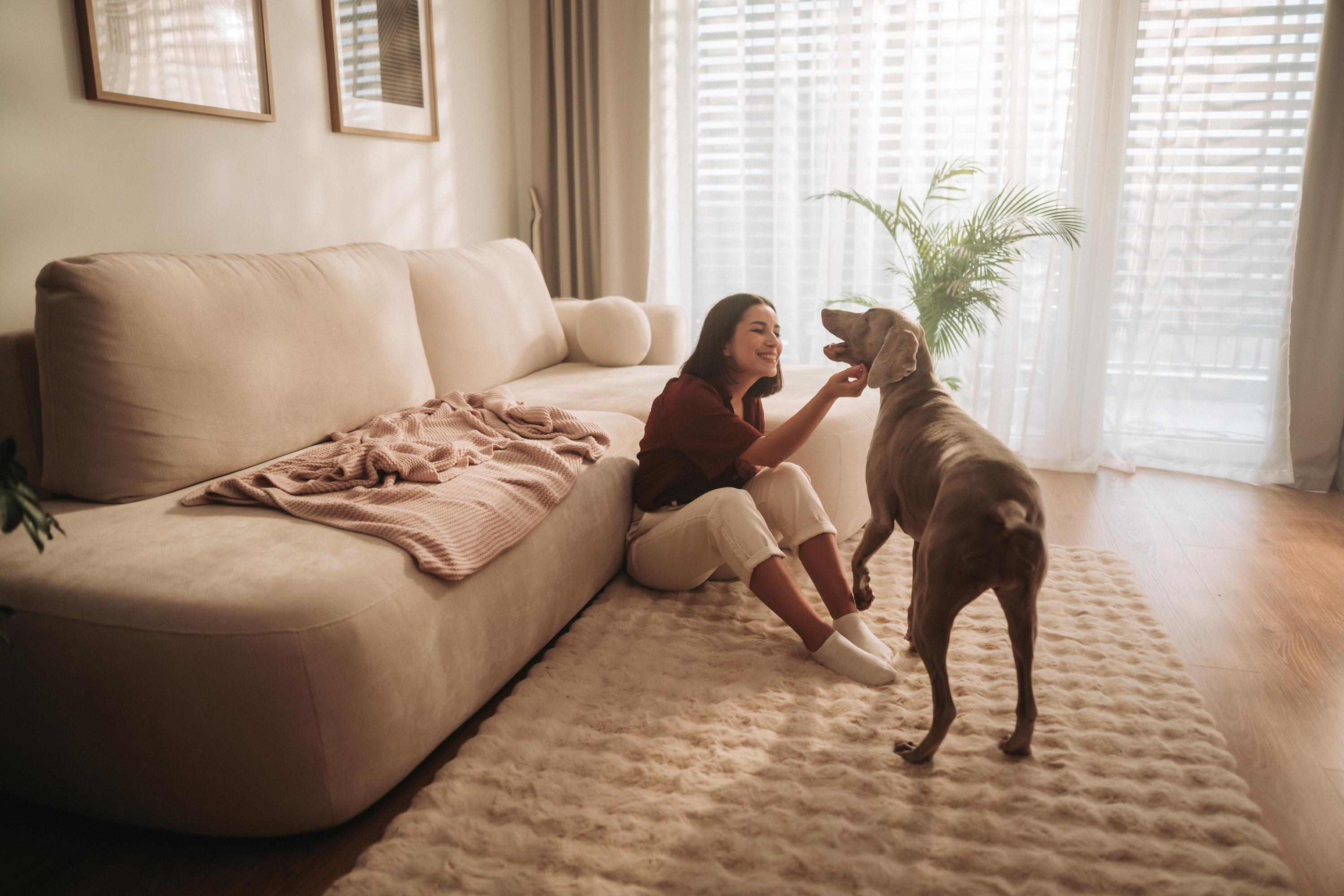
With a calm routine in place, let’s focus on building a structured schedule that fits both your needs and your dog’s.
Incorporating Training into Daily Life
Training doesn’t have to be a separate activity. You can weave it seamlessly into your everyday routine. For instance, ask your dog to perform a command before meals or when entering and exiting the house. This reinforces good behavior and keeps training fresh in their mind.
Regular short sessions of training throughout the day are more beneficial than one long session. Incorporate simple commands like sit, stay, and come during daily activities. This approach makes training less daunting and more integrated into your dog’s life.
Balancing Work and Dog Time
Balancing work commitments with your dog’s needs can be tricky, but it’s achievable. Set specific times during the day to engage with your dog. This could be during your lunch break or right after work. Consistency is key to maintaining a balanced schedule.
If you’re away for long periods, consider doggy daycare or hiring a pet sitter. These options provide socialization and exercise, which are essential for a well-rounded dog. By ensuring your dog gets enough attention and activity, you’ll reduce unwanted behaviors at home.
Setting Boundaries to Reduce Jumping
Jumping is a common issue that can disrupt the calm you’re working to create. Set clear boundaries for your dog to reduce this behavior. Teach them the “off” command to discourage jumping on people and furniture.
Enforce these boundaries by being consistent. Reward your dog when they stay grounded and ignore them when they jump. Over time, they’ll learn that staying calm and composed leads to positive interactions. Consistency and patience are your best tools in building a respectful dog-owner relationship.
Benefits of a Calmer Home with Dogs

Implementing these routines and schedules will bring noticeable benefits to your home life.
Enhancing Owner Confidence and Clarity
With a structured routine, you’ll feel more in control and confident. Knowing exactly what to do and when reduces uncertainty and frustration. This clarity not only helps you but also provides a sense of stability for your dog.
Strengthening Dog-Owner Relationships
A calmer environment fosters a stronger bond between you and your dog. When stress levels decrease, you’ll find more enjoyment in each other’s company. This mutual understanding and respect make for a harmonious living situation.
Exploring Dog Training Tampa Options 🐶
When you’re ready to take the next step, consider exploring dog training options in Tampa. Sit Means Sit Tampa offers training programs tailored to your specific needs and lifestyle. Whether it’s board and train or private lessons, there’s a solution that fits your situation. A structured training program can further enhance the routines you’ve implemented at home, leading to even more significant improvements in behavior and harmony.
Frequently Asked Questions
How do I begin training my dog to follow a structured routine?
Start with small steps by incorporating simple commands into daily activities. Consistency and positive reinforcement are key. Gradually build up to more complex routines as your dog becomes accustomed to the structure.
What should I do if my dog continues to bark excessively during the day?
Ensure your dog gets plenty of exercise and mental stimulation. Provide interactive toys and consider enlisting the help of a dog walker or sitter to break up their day. If the issue persists, professional training might be necessary.
How can I reduce my dog’s jumping behavior effectively?
Consistency is crucial. Teach the “off” command and ignore your dog when they jump. Reward them for staying grounded to reinforce positive behavior. Patience and regular practice will lead to success over time.
By implementing these strategies, you’ll enjoy a more peaceful home and a happier relationship with your dog.