

Busy Week? How to Reset Your Dog’s Routine in 7 Simple Steps
When your week gets packed and your dog’s routine falls apart, stress takes over at home. You’re juggling work, family, and a dog that’s acting out because the structure vanished. This dog routine reset plan breaks down seven simple steps you can start this week to bring calm back, rebuild a clear schedule, and feel in control again. Let’s get your dog and your home on track with a plan that fits your busy life.
Understanding the Routine Reset
When life’s demands increase, your dog’s routine can easily slip. Understanding why a reset is crucial helps you address the chaos effectively.
Why Your Dog Needs Structure
A structured routine offers your dog stability and security. Dogs thrive on consistency, which helps them feel more at ease. When your dog knows what to expect, they are less likely to develop behavioral problems. This structure not only benefits your dog but also brings peace to your household. By maintaining a regular schedule, you can minimize stress and foster a calmer environment.
Signs It’s Time for a Reset
Noticing behavior changes in your dog can indicate the need for a routine reset. Look for signs like increased barking, restlessness, or accidents in the house. These behaviors suggest your dog feels unsettled. When your dog seems more anxious or misbehaves, it’s a cue that their routine needs attention. Recognizing these signs early allows you to make necessary adjustments and restore balance.
Steps to Reset Your Dog’s Routine

With an understanding of why structure matters, it’s time to explore practical steps for resetting your dog’s routine effectively.
Step 1: Assess the Current Routine
Begin by evaluating your dog’s current schedule. Identify gaps and inconsistencies that might contribute to behavioral issues. Observing your dog’s daily activities can reveal patterns that need adjustment. Make a list of what works and what doesn’t to help plan a more effective routine. This assessment will serve as the foundation for creating a new, structured schedule that addresses your dog’s needs.
Step 2: Create a New Schedule
With insights from the assessment, draft a new schedule for your dog. Include regular meal times, walks, and play sessions. Consistency is key here. Establishing a predictable routine gives your dog a sense of security. Try to align this new schedule with your daily life to ensure it’s sustainable. This alignment will help keep your dog calm and content even during your busiest weeks.
Step 3: Gradual Changes for Success
Implement changes gradually to avoid overwhelming your dog. Start by introducing small adjustments to their routine. Gradually increase these changes over time to allow your dog to adapt comfortably. Patience is crucial during this transition period. By easing into the new schedule, you give your dog the best chance to adjust successfully, leading to long-term improvements in behavior.
Maintaining a Structured Routine
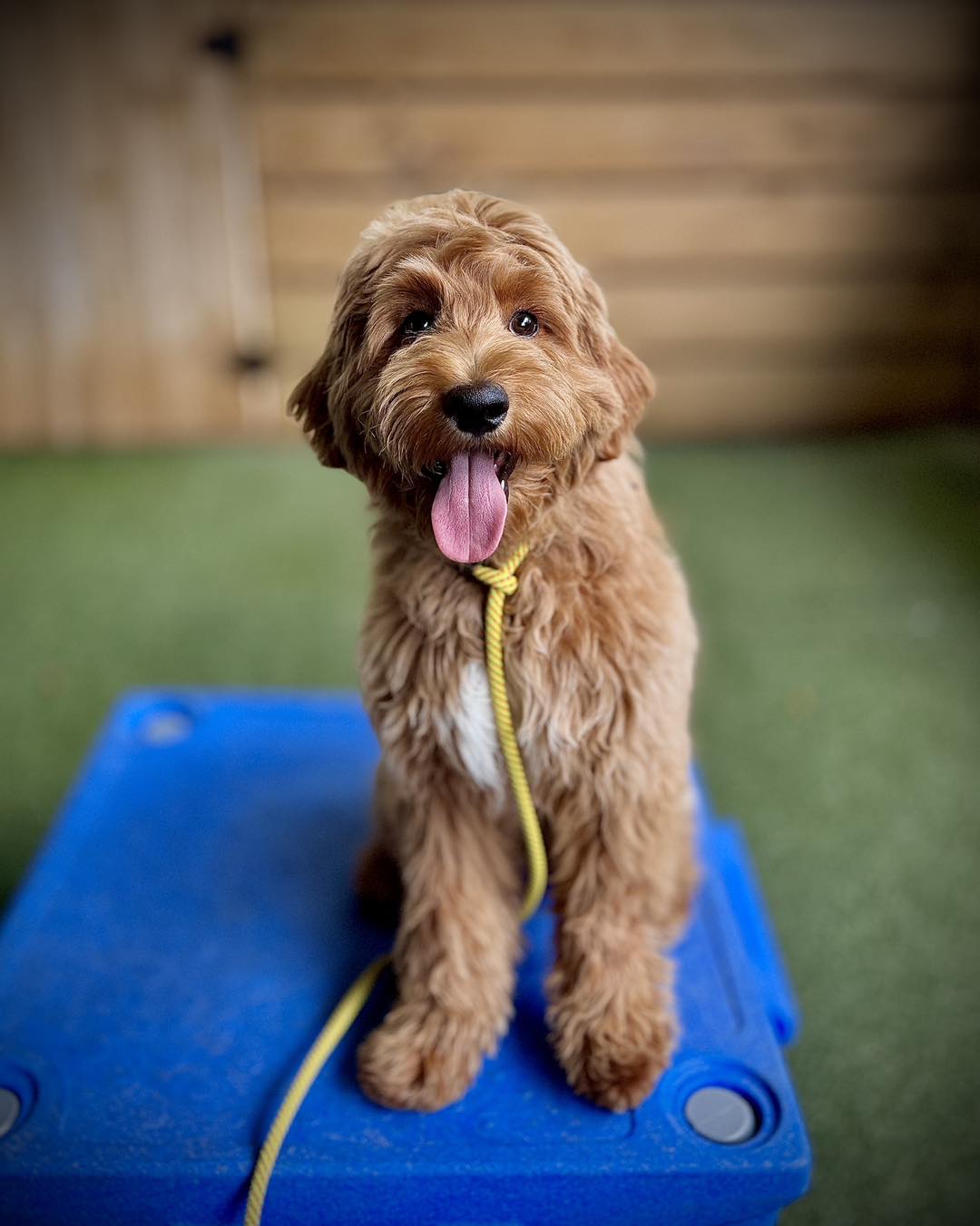
Once your dog’s routine is reset, maintaining it becomes essential for lasting peace and harmony at home.
Tools for a Calm Dog at Home
Utilizing the right tools can support a calm environment for your dog. Consider interactive toys or calming aids to keep your dog engaged and relaxed. These tools can help manage energy levels and reduce stress when you’re busy. By integrating these resources into your routine, you create a supportive environment that promotes calmness and well-being.
When to Seek Professional Help
If challenges persist despite your efforts, seeking professional guidance can be beneficial. Professional trainers offer personalized support to address specific behavioral issues. They can provide tailored strategies that align with your dog’s unique needs. Don’t hesitate to reach out when you need extra assistance. Professional help can make a significant difference in achieving the peaceful home environment you desire.
Frequently Asked Questions
How do I know if my dog’s routine needs a reset?
If your dog shows signs of stress like increased barking or restlessness, it may be time for a routine reset. Observing these behaviors helps identify the need for change.
What should be included in my dog’s new schedule?
A balanced schedule includes regular meal times, walks, and play sessions. Consistency in these activities helps your dog feel secure and reduces anxiety.
Can gradual changes really make a difference in my dog’s behavior?
Yes, gradual changes allow your dog to adjust smoothly. This approach minimizes stress and fosters successful adaptation to a new routine. Implement changes slowly to see the best results.