

From Chaos to Calm: A Simple Home Routine for an Overstimulated Dog
Your dog gets overstimulated the moment the doorbell rings or a neighbor walks by the window. You feel like you’re constantly reacting, never in control. It doesn’t have to be this way. With a clear dog routine for calm, you can reduce dog arousal indoors and create a calmer dog at home. Ready to start? Schedule your free evaluation by calling or texting 813-505-1337 or visiting Tampa.SitMeansSit.com.
Understanding Overstimulation in Dogs
Recognizing the signs of overstimulation is the first step toward a peaceful home. Dogs, like humans, can experience a sensory overload that leads to chaos and stress.
Signs Your Dog is Overstimulated
Is your dog barking excessively, pacing, or unable to settle? These are clear indicators of overstimulation. Dogs may also show physical signs such as heavy panting, dilated pupils, or even trembling. Such behaviors often emerge when your dog feels overwhelmed by their environment. If you notice these signs frequently, it’s time to consider a routine that promotes calm.
Common Overstimulation Triggers
Regular triggers include loud noises, sudden movements, and even routine disruptions. For many dogs, the doorbell or a busy street view can be intense stimuli. Understanding what sets your dog off can help you plan a more structured day. By identifying these triggers, you can create an environment that minimizes stress and promotes a sense of security.
Building a Structured Dog Routine

Creating a daily routine can transform your dog’s behavior. Consistency gives your dog a sense of security, reducing anxiety and promoting a calmer demeanor.
Morning Calm Routine for Dogs
Start the day with a calm morning routine. Keep the atmosphere peaceful with soft voices and slow movements. A short walk followed by a predictable feeding schedule sets the tone for the day. This approach not only serves as physical exercise but also mentally prepares your dog for the day ahead. Remember, a peaceful start leads to a peaceful day.
Midday Activities to Reduce Arousal
Incorporate play sessions that focus on mental engagement rather than just physical exertion. Puzzle toys or scent games keep your dog’s mind active and away from overstimulation. Break up the day with these activities to prevent boredom, which often leads to heightened anxiety and arousal. Balance is key: aim for activities that challenge the mind but don’t overwhelm.
Evening Wind-Down Techniques
As the day comes to an end, create a calming environment. Dim the lights and play soft music to help soothe your dog. Gentle petting or a slow-paced walk can help release any built-up energy. Ending the day with a consistent routine signals to your dog that it’s time to relax, paving the way for a restful night.
Creating a Calmer Home Environment
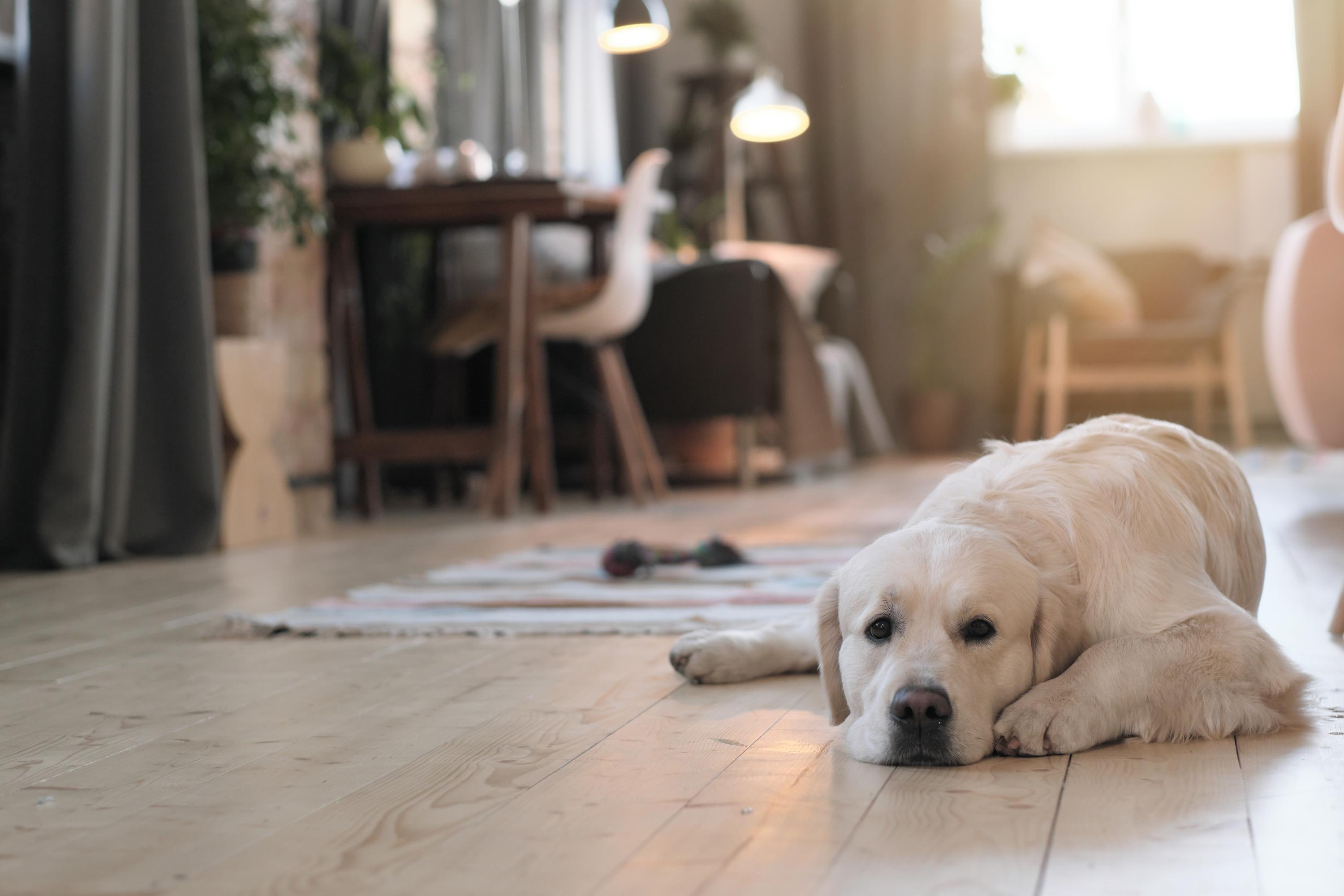
A peaceful home environment is essential for keeping your dog calm. Small changes can make a big difference in reducing stress and encouraging relaxation.
Solutions for Dog Barking at Windows
Barking at windows is a common issue. Covering windows with frosted film or using curtains can limit your dog’s view and reduce visual stimuli. Creating a designated quiet zone away from windows can also help. In this space, provide toys or a comfortable bed where your dog can retreat when feeling overstimulated.
Strategies to Settle Your Dog at Home
Routine settling techniques, like using a calming mat or specific command, can anchor your dog. Incorporate these techniques consistently throughout the day, especially during high-energy moments. Reinforce these behaviors with positive reinforcement to encourage calm behavior. Over time, these strategies will help your dog understand when it’s time to relax.
Frequently Asked Questions
How can I tell if my dog is overstimulated?
Look for signs like excessive barking, panting, or pacing. Physical signs include dilated pupils and trembling. These behaviors often indicate your dog is overwhelmed and needs a calming routine.
What are common triggers for overstimulation in dogs?
Common triggers include loud noises, sudden movements, and changes in routine. Doorbells and street views can also serve as intense stimuli for many dogs.
How can I create a calming routine for my dog?
Establish a consistent daily routine with set times for walks, feeding, and play. Use calming techniques like dimming lights and playing soft music in the evening to create a peaceful environment.
What can I do about my dog barking at windows?
Use frosted film or curtains to limit your dog’s view. Create a quiet zone away from windows with toys and a comfortable bed for your dog to retreat when feeling overstimulated.
How do I encourage my dog to settle at home?
Use a calming mat or command to signal to your dog it’s time to relax. Reinforce these behaviors with positive reinforcement to build understanding over time.