
From Chaos to Calm: Building Real‑World Obedience That Holds Up During Daily Transitions
Daily transitions with your dog can feel like a battle. Doorways become a tug-of-war, leashing up turns chaotic, and guests arriving sparks stress. If you want real-world obedience that holds up when it counts, you’re in the right place. We’ll share a clear, step-by-step approach to build calm, consistent obedience that fits your busy Tampa life.
Introduction to Real-World Obedience
Recognizing the chaos of daily transitions with your dog is the first step towards creating a more peaceful home environment. Let’s explore these challenges and why consistent obedience matters.
Understanding Daily Transition Challenges
You know the routine: chaos erupts when you try to move your dog from crate to door or when guests arrive. These moments can be stressful, not just for you but for your dog, too. Understanding the root of these behaviors is crucial. Often, dogs act out because they’re confused or overstimulated. A clear routine and consistent signals can help. Most people think their dog is just misbehaving, but often, it’s just a lack of structure. By addressing these transition moments with calm and consistency, you can help your dog feel more secure and less reactive.
The Importance of Consistent Obedience
Consistent obedience is not about having a perfect dog; it’s about creating a predictable environment. This predictability helps your dog know what to expect, reducing anxiety and improving behavior. When your dog understands what’s expected, they become calmer and more focused. Building this kind of trust takes time and patience, but the payoff is huge. Most people underestimate how much difference structure can make. By focusing on consistent obedience, you create a foundation that supports smoother transitions and a happier life together.
Building Lasting Obedience
Now that you understand the challenges and why consistency is key, let’s dive into the steps you can take to create lasting obedience.
Step-by-Step Framework Overview
Here’s the key insight: a step-by-step framework builds a solid foundation for obedience. Start with simple commands and gradually introduce more complex tasks as your dog becomes more confident. This approach helps reinforce learning at each stage. The framework involves breaking down tasks into manageable steps. For example, teaching “sit” might be the first step before moving on to “stay.” By building on each success, you reinforce positive behavior through repetition and reward.
Key Techniques for Calm Dog at the Door
Most people struggle with door greetings. Here’s a simple technique to try: when someone knocks, have your dog sit and stay until you give the cue to greet. Repetition and reward are key. Start by practicing with a friend or family member. Gradually increase the level of distraction until your dog can handle real-life scenarios. It might seem impossible at first, but with consistent practice, your dog will learn to remain calm. Remember, patience is your best friend during this process.
Leash Manners for Tampa Walks
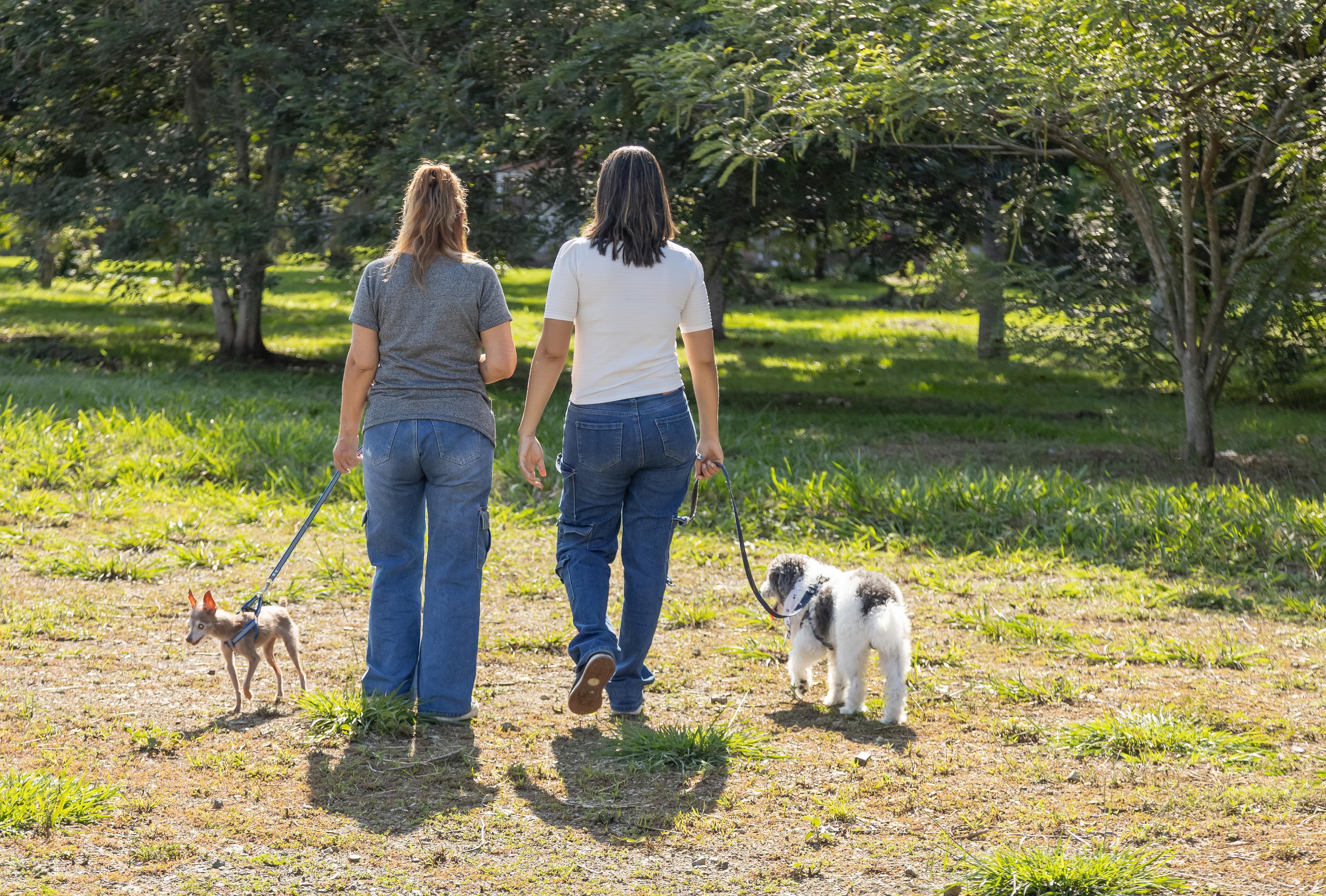
Walking your dog in Tampa should be enjoyable, not a tug-of-war. Teaching leash manners can make a world of difference. Start by using short, consistent commands like “heel” to guide your dog. Practice in a quiet area before venturing out into busy streets. The longer you wait to address this, the harder it becomes. Consistent practice in different environments helps your dog adjust to various distractions, making walks more enjoyable for both of you.
Training Solutions with Sit Means Sit Tampa

If you’re feeling overwhelmed, Sit Means Sit Tampa offers several effective training solutions tailored to fit your busy life.
Board and Train Tampa: Immersive Progress
Board and Train is perfect for those who need fast progress. Your dog stays with trainers who work intensively on obedience and behavior. This immersion helps solidify skills quickly. It’s like a boot camp for your dog, focusing on foundational skills and advanced commands, ensuring they learn effectively in a controlled environment.
Private Dog Training Tampa: Tailored Guidance
For personalized attention, consider private lessons. These sessions focus on your dog’s specific needs, with trainers working one-on-one to address unique challenges. Private training is ideal for owners who want an active role in the training process. You learn alongside your dog, gaining confidence in handling various situations and ensuring the training is reinforced at home.
Day Training for Dogs: Consistency While You Work
Day training is a convenient option for busy owners. Drop your dog off in the morning and pick up a calmer, better-behaved friend at day’s end. This program provides consistency without the need for overnight stays. It’s like school for your dog, offering regular practice and reinforcement of skills in a structured setting.
Frequently Asked Questions
How do I start training my dog at home?
Begin with basic commands like “sit” and “stay.” Use short sessions and repeat them regularly. Consistency and patience are key.
What can I do if my dog pulls on the leash?
Practice the “heel” command in a distraction-free area. Reward your dog for staying beside you. Gradually introduce more distractions as they improve.
Is professional training necessary for all dogs?
Not all dogs require professional training, but it can be beneficial, especially for addressing specific behavior issues or if you’re short on time.
How long does it take to see results from training?
Results depend on consistency, the dog’s temperament, and the training method. Some dogs show progress in weeks, while others may take longer.
Can I train my dog by myself?
Yes, many owners successfully train their dogs at home. However, professional guidance can accelerate the process and address specific challenges.
Building real-world obedience is achievable with patience and the right techniques. Whether you tackle it yourself or seek professional help, the key is consistency and practice. Enjoy the journey to a more harmonious life with your dog!