

What to Tighten Up First When Your Dog Ignores Direction at Home
Your dog ignoring direction at home is not your fault. When commands don’t stick, it’s often because something simple is missing in your routine. Tightening up key parts of your home setup can bring back calm and control without adding chaos. This guide breaks down the exact first steps to fix dog listening in Tampa homes like yours.
Establishing a Structured Routine
Creating a structured routine is key to making your dog more attentive at home. This involves consistent practice and clear boundaries to ensure your dog knows what to expect. Let’s dive into how you can do this effectively.
Creating Consistent Commands
Consistency is crucial when it comes to commands. Choose specific words for each action and stick to them. Avoid switching words as it might confuse your dog. For instance, use “sit” instead of alternating between “sit down” or “take a seat.” Repetition with the same words helps your dog understand and respond reliably.
Short sessions throughout the day work best. You can incorporate commands into daily activities like feeding time. When your dog responds correctly, reward them. This positive feedback encourages your dog to repeat the behavior. Also, make sure everyone in the household uses the same commands to avoid confusion.
Designating Training Zones
Creating designated training zones helps signal to your dog that it’s time to focus. Choose a quiet area with minimal distractions. This will be your dog’s classroom. Over time, slowly introduce more distractions as your dog becomes more comfortable with commands.
Begin sessions in this zone with short exercises. If your dog becomes distracted, gently guide them back to focus. Consistent practice in this zone will help reinforce the training. Eventually, your dog will learn to listen regardless of the environment.
Scheduling Regular Sessions
Regular training sessions are the backbone of a structured routine. Aim for two to three short sessions each day. This frequency helps reinforce learning without overwhelming your dog. Keep each session between 5-10 minutes, focusing on a few commands at a time.
Choose times when your dog is alert, not right after meals or when they’re too excited. Sessions should be a part of your daily routine, like morning and evening. Over time, these consistent sessions will help your dog understand and follow commands instinctively.
Addressing Common Behavioral Issues
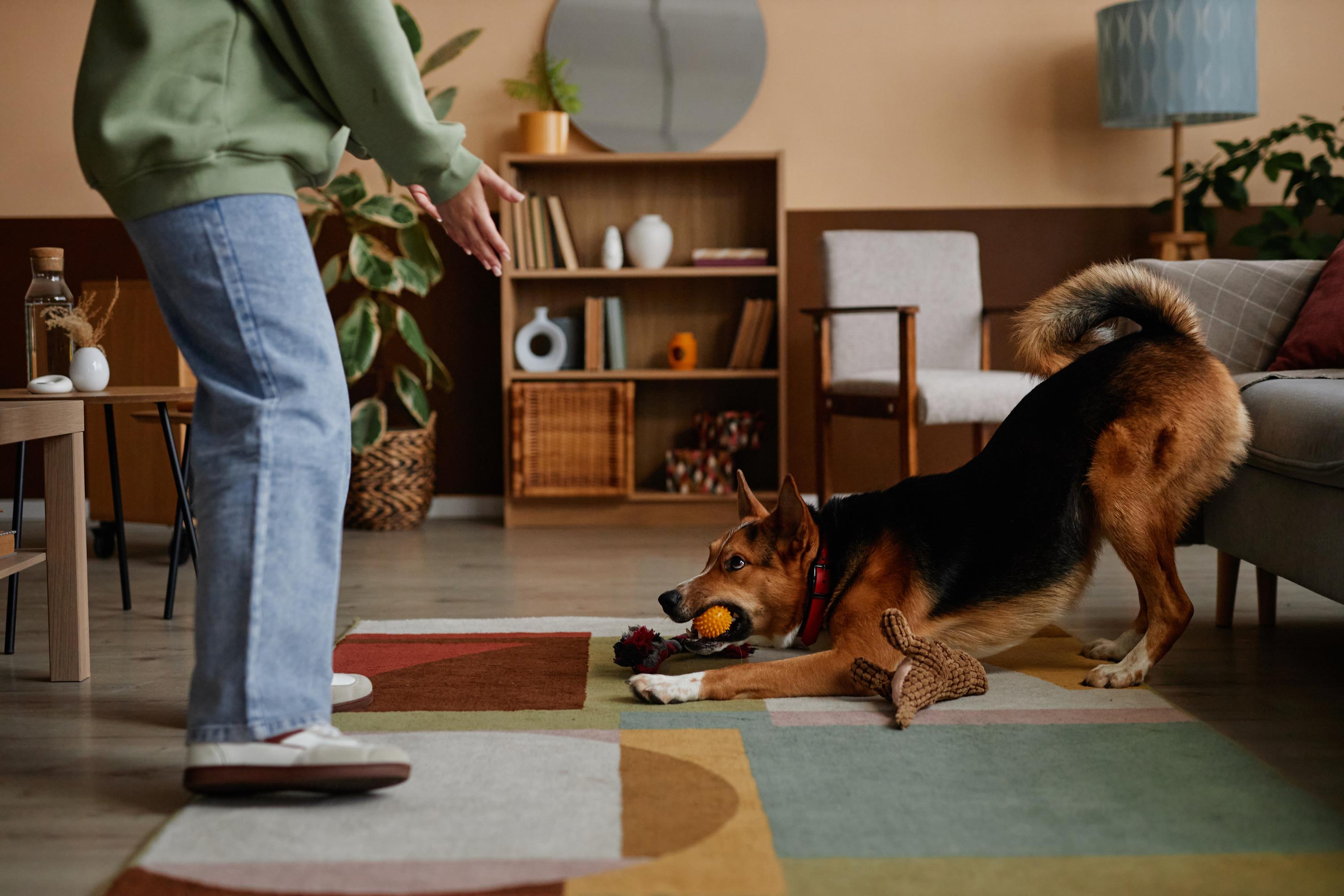
Once you’ve established a routine, it’s time to address specific behavioral issues. These can disrupt your dog’s ability to follow directions. Let’s explore some common problems and how to tackle them.
Tackling Attention Problems
If your dog struggles to focus, it’s essential to capture their attention. Begin by using treats or toys to draw their interest. Hold a treat close to your face and call their name. When they make eye contact, reward them. This creates a strong feedback loop: attention leads to rewards.
Gradually increase the duration of eye contact before rewarding. This practice builds your dog’s focus over time. Consistency is key. Make this exercise a part of your daily routine. A dog that pays attention will be more likely to obey other commands.
Managing Excessive Barking
Excessive barking can be frustrating. To manage it, first identify triggers. Is it the doorbell, other animals, or boredom? Once you know the cause, work on desensitizing your dog. For instance, if the doorbell sets them off, practice ringing it while rewarding calm behavior.
Teach a “quiet” command. Begin by rewarding your dog when they stop barking on their own. Gradually introduce the command as they become quieter. Consistency and patience are crucial. With time, your dog will learn that silence brings rewards.
Handling Door Dashing
Door dashing is both worrying and dangerous. To prevent it, practice impulse control exercises. Begin with your dog on a leash near the door. Open the door slightly and close it if your dog moves towards it. Only reward them when they remain calm and in place.
Teach a “stay” command in a calm environment before applying it to door training. Gradually increase the complexity by opening the door wider and adding more distractions. Consistent practice will teach your dog that doors are not an invitation to dash.
Building a Supportive Environment
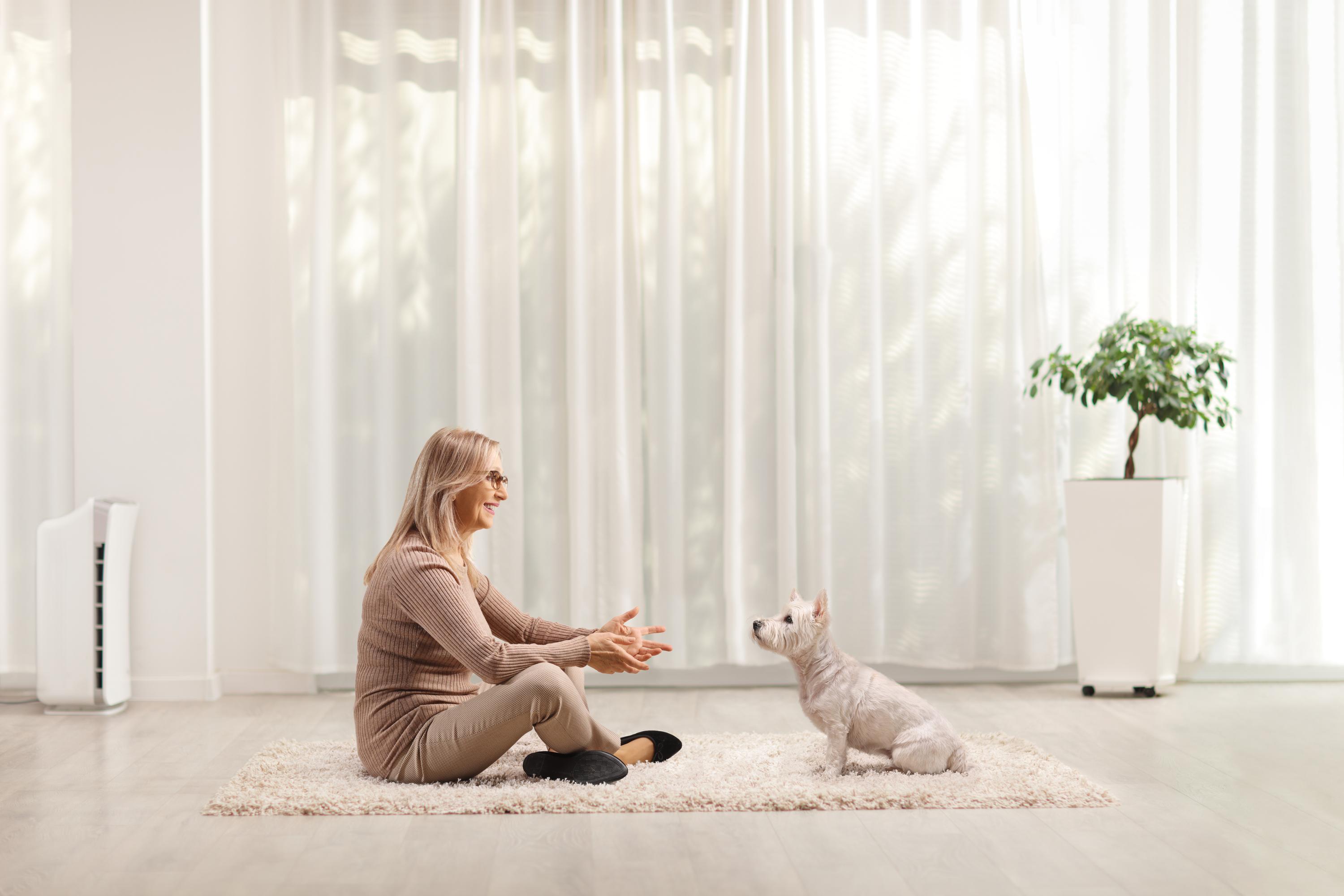
A supportive environment is essential for successful training. This involves engaging family members, using positive reinforcement, and knowing when to seek professional help.
Engaging Family Members
Involve all family members in the training process. Consistency is much easier when everyone is on the same page. Share the commands you’re using and the expectations for your dog’s behavior. Set up a schedule so each family member participates in training sessions.
Consistency across the household prevents confusion and reinforces the training. When everyone is involved, your dog receives a unified message, making learning more effective and enduring.
Using Positive Reinforcement
Dogs thrive on positive reinforcement. Reward your dog immediately when they follow a command. This could be a treat, praise, or a favorite toy. The key is to make the reward meaningful and consistent. Over time, your dog will associate good behavior with positive outcomes.
Reinforcement should be immediate. If there’s a delay, your dog may not connect the reward with the behavior. Consistent positive reinforcement builds a strong bond of trust and encourages your dog to listen and obey.
Seeking Professional Help
Sometimes, professional help is necessary. If you’re struggling despite consistent effort, consider consulting a local trainer. Sit Means Sit Tampa offers personalized training plans tailored to individual needs. Professionals can provide insights and strategies that you might not have considered.
Don’t wait too long to seek help. The earlier you address issues, the easier they are to manage. A professional can guide you and your dog towards a harmonious relationship.
🌟🐾
Frequently Asked Questions
How can I get my dog to listen at home?
To improve listening, establish a structured routine with consistent commands and regular practice sessions. Designate specific areas for training and involve all family members to maintain consistency.
Why does my dog ignore direction at home?
Dogs may ignore directions due to lack of structure, unclear commands, or distractions. Evaluating and adjusting your training routine can significantly enhance responsiveness.
What should I do if my dog has behavioral issues?
Address behavioral issues by identifying triggers and practicing focused training sessions. Consistency and patience are key. If needed, consider professional guidance from local trainers like Sit Means Sit Tampa.