

How to Stop Your Dog From Running the House: Simple Structure That Fits Your Life
Your dog runs the house, and you’re left feeling drained and frustrated. This chaos doesn’t have to be your new normal. With a simple dog structure at home, you can bring calm to mealtimes, walks, and guests—and finally enjoy your space again. Keep reading to learn how Tampa dog training can fit your busy life and give you the control you’ve been waiting for.
Creating a Calm Dog at Home
Creating a calm environment for your dog starts with a structured routine. It’s about setting up a simple framework that guides your dog throughout the day. This framework ensures that your dog knows what to expect, reducing anxiety and chaos.
Simple Structure for Dog Owners
Begin with consistent feeding schedules. Feed your dog at the same time every day. This predictability helps establish order. Incorporate regular exercise to burn off excess energy. Walks and play sessions should be planned around the same time daily. Remember, a tired dog is a calm dog.
Introduce clear commands for daily activities. Short and consistent commands help your dog understand what’s expected. For example, use “sit” before meals or “wait” at doors. These small changes anchor your dog’s day and promote good behavior.
Leash and Door Manners
Leash and door manners are crucial for maintaining order. When walking, keep your dog beside you. If they pull, stop and wait for them to return to your side. This teaches them that pulling doesn’t get them where they want to go.
When guests arrive, teach your dog to sit or stay on a mat. Practice this with friends who can help reinforce good behavior. Reward your dog for calmness. Over time, they’ll learn that sitting quietly is rewarded, not jumping on guests.
Crate Routine for Dogs
A crate is not just a training tool; it’s your dog’s safe space. Start by placing a comfy bed and favorite toys inside. Encourage your dog to enter with treats. Gradually increase the time they spend inside while you’re at home.
Use the crate during mealtimes or when you have visitors. It helps minimize distractions and teaches your dog to settle. Over time, your dog will associate the crate with calmness and security, making it easier to manage their behavior.
Training Options in Tampa
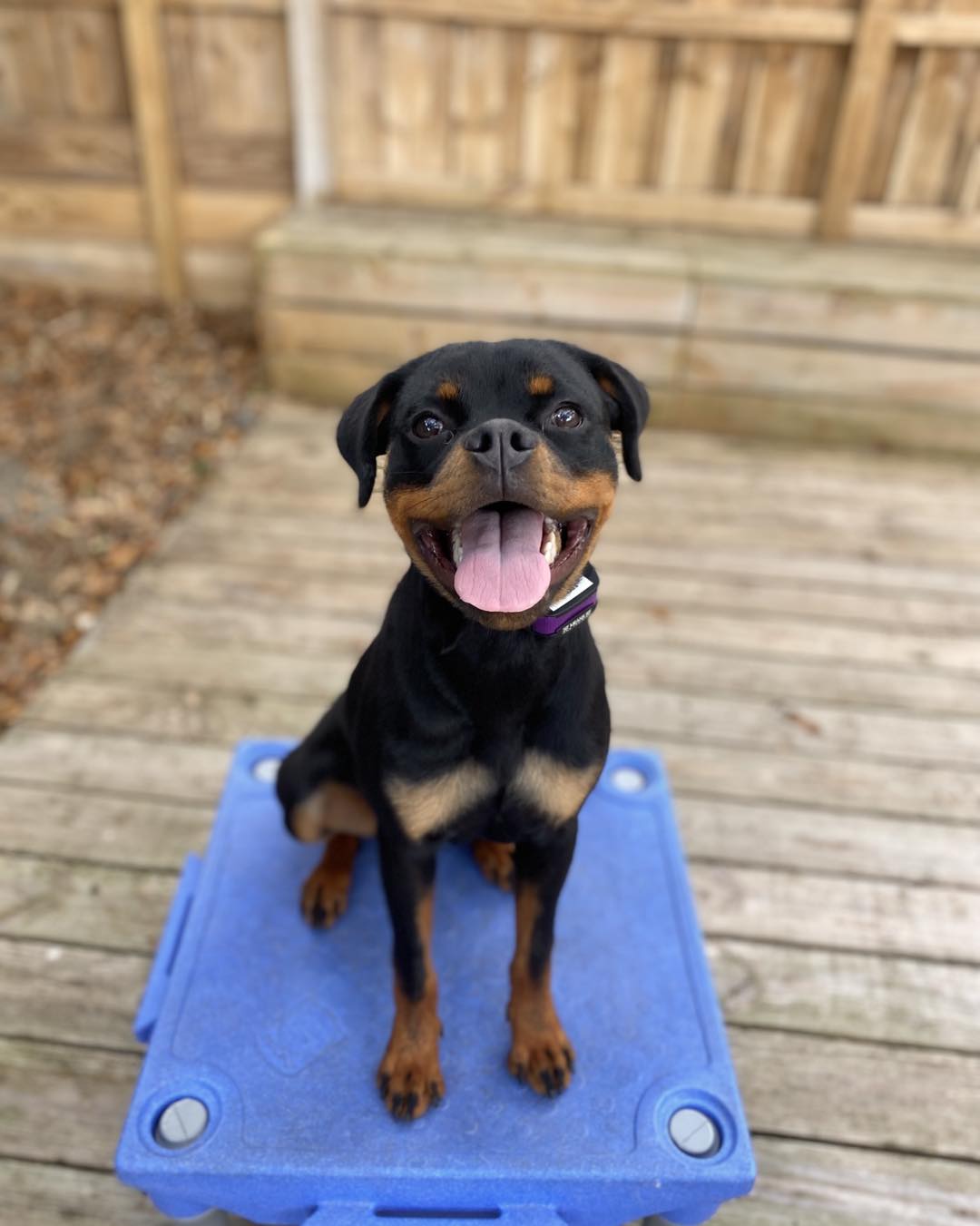
If you’re in Tampa, there are several training options to help reinforce structure at home. These programs cater to different needs and lifestyles, ensuring you find the perfect fit for you and your dog.
Board and Train Tampa
Board and train programs provide comprehensive training for your dog. Your dog stays with trainers who focus on behavior modification over several weeks. This immersive experience is ideal for tackling persistent issues like aggression or severe anxiety.
The trainers work on a variety of skills, from basic commands to advanced obedience. Once the program is completed, you’ll notice a significant difference in your dog’s behavior. This option is perfect if you need intensive training without taking time from your busy schedule.
Private Dog Training Tampa
Private dog training offers personalized sessions for tackling specific challenges. These one-on-one lessons allow trainers to focus on your dog’s unique needs and your goals. You play an active role in the training, learning skills that you can apply at home.
During these sessions, you’ll work on commands that improve everyday interactions. Whether it’s leash training or reducing barking, private training adapts to your dog’s pace and your lifestyle. It’s a flexible approach that brings lasting change.
Day Training for Dogs Tampa
Day training combines the benefits of professional guidance with owner involvement. You drop your dog off for training during the day and pick them up in the evening. This routine ensures your dog learns in a structured environment without requiring an overnight stay.
Trainers update you on your dog’s progress, offering tips on how to maintain consistency at home. Day training is excellent for busy owners who want to see results quickly, providing both training and peace of mind.
Overcoming Common Dog Challenges
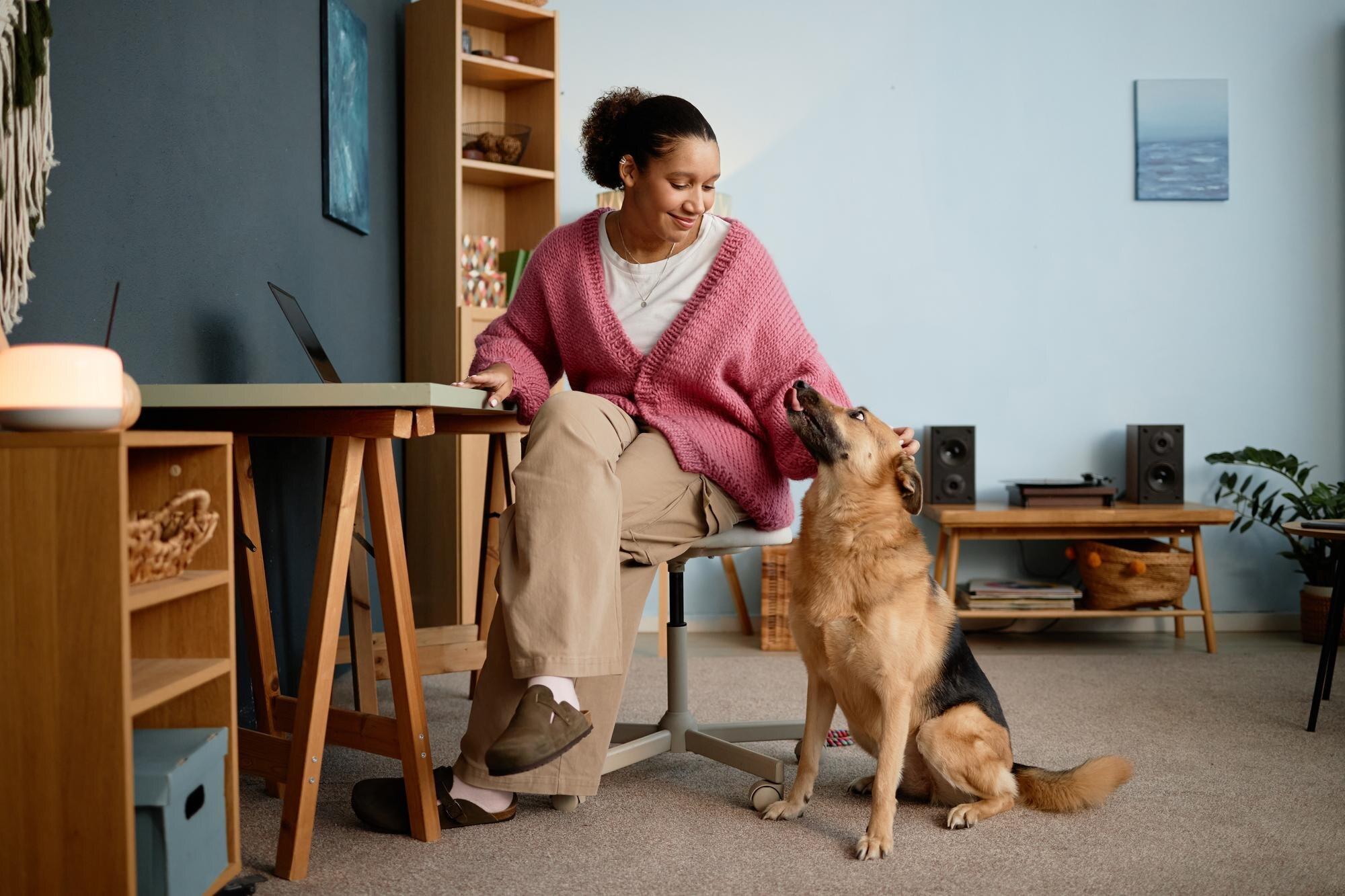
Even with structure, common challenges can arise. Addressing these issues promptly helps maintain a harmonious home and strengthens your bond with your dog.
Dog Jumping on Guests Help
If your dog jumps on guests, start by teaching them to sit when someone arrives. Use treats and praise to reward them for staying calm. Practice this regularly with friends who can help reinforce the behavior. Over time, your dog will learn that sitting is more rewarding than jumping.
Dog Barking Solutions Tampa
Excessive barking is a common issue that disrupts peace at home. Identify what triggers your dog’s barking—whether it’s the doorbell or other dogs outside. Teach alternative behaviors like going to a designated spot or using a quiet command. Consistent practice and patience are key to reducing barking effectively.
Overwhelmed Dog Owner Help
Feeling overwhelmed is normal, but support is available. Connecting with a local trainer or joining a class can provide the guidance you need. They offer strategies to manage your dog’s behavior and make your life easier. Remember, asking for help is a step towards a calmer, happier home.
Frequently Asked Questions
How can I stop my dog from barking at the doorbell?
Teach alternative behaviors like sitting or going to a designated spot when the doorbell rings. Consistently reward calm behavior to reduce barking over time.
What should I do if my dog pulls on the leash during walks?
Stop walking when your dog pulls, and wait for them to return to your side. This teaches them that pulling doesn’t get them where they want to go, encouraging better leash manners.
How often should I train my dog each day?
Short, consistent sessions are best. Aim for 10-15 minutes of focused training, two to three times a day. This keeps your dog engaged without overwhelming them.
Is crate training good for my dog?
Yes, crate training provides a safe space for your dog to relax. It helps with house training and minimizes distractions during busy times.
Can professional training help with my dog’s anxiety?
Yes, professional training addresses anxiety through structured routines and behavior modification techniques, helping your dog become calmer and more confident.
By implementing these strategies and seeking professional guidance when needed, you can create a peaceful home environment where your dog knows what to expect and how to behave.