

How to Successfully Introduce Dogs in a Multi-Pet Household | Tampa Dog Training Experts
How to Successfully Introduce Dogs in a Multi-Pet Household
Bringing a new dog into an existing home can expose weak leadership, poor structure, and unresolved behavior issues fast. In multi-pet households, small misunderstandings between pets don’t stay small for long. Without clear rules and proper dog training, tension escalates.
At Sit Means Sit Tampa, we help dog owners create calm, structured multi-pet homes using proven behavior modification and leadership-based training. Below is how to do it right — before chaos becomes the norm.
Understanding Dog Behavior in Multi-Pet Households
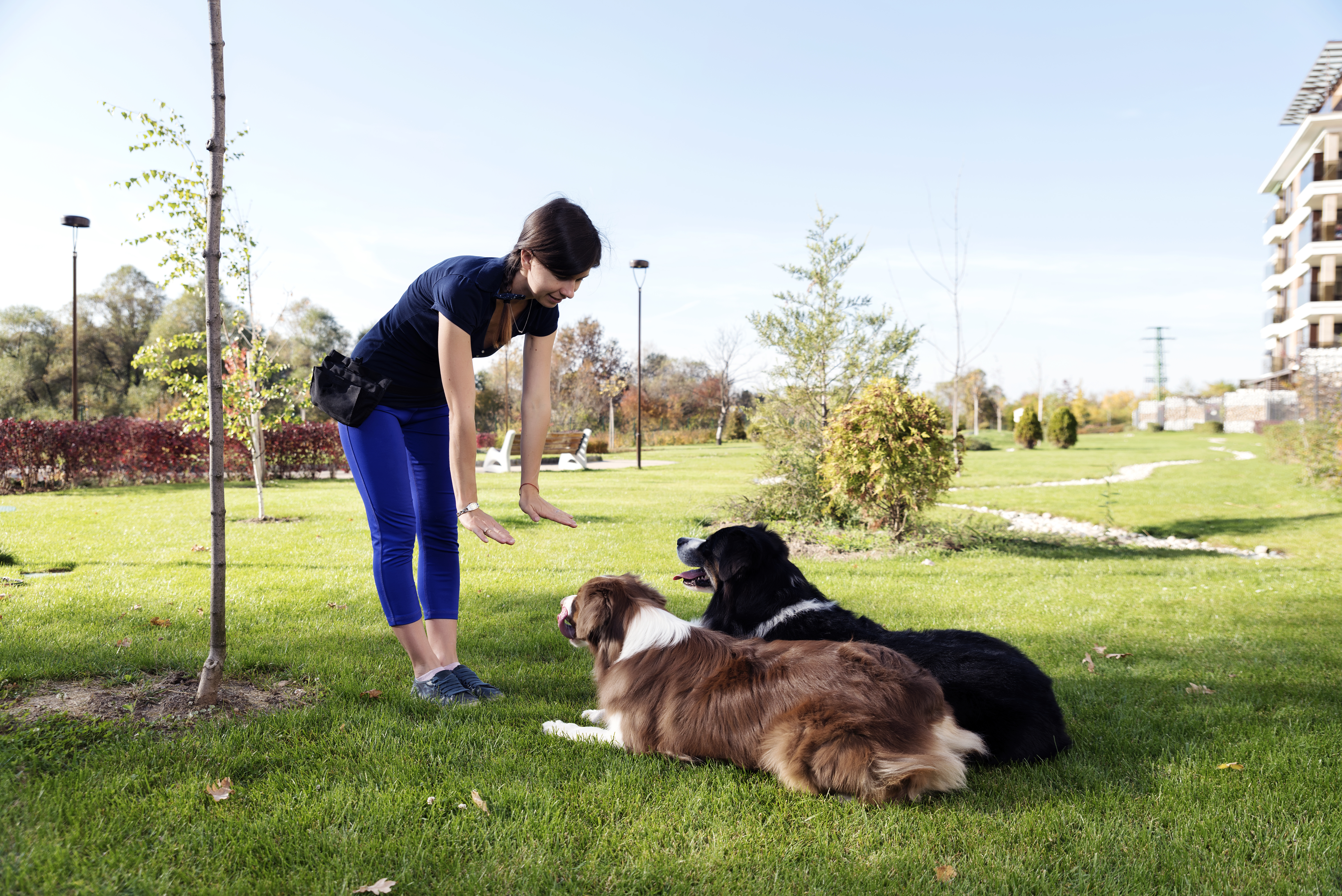
Understanding Dog Behavior in Multi-Pet Households
Dogs don’t automatically “work it out.” That’s a lazy assumption — and a dangerous one.
Each dog brings:
-
Different energy levels
-
Different thresholds for stress
-
Different social skills
Ignoring those differences is how fights start.
Key Signs to Watch
-
Relaxed posture, loose tails, neutral ears = comfort
-
Stiff bodies, hard staring, pinned ears = rising tension
Early observation allows intervention before conflict.
First Introductions Matter
-
Keep introductions short, controlled, and neutral
-
Avoid face-to-face pressure
-
Reward calm behavior immediately
Structure builds trust. Chaos builds resentment.
Common Problems in Multi-Dog Homes (And Why They Happen)
Most multi-pet issues fall into predictable categories:
1. Resource Guarding
Food, toys, beds, people — dogs guard what they value when leadership is unclear.
Fix:
Separate high-value resources and train impulse control.
2. Territorial Behavior
Existing dogs may see newcomers as intruders.
Fix:
Neutral-space introductions and clear boundaries.
3. Mismatched Energy Levels
A high-energy puppy + a low-energy adult dog = irritation, not friendship.
Fix:
Proper exercise and structured outlets before interactions.
These problems don’t resolve on their own. They compound.
Professional Dog Training Techniques That Actually Work
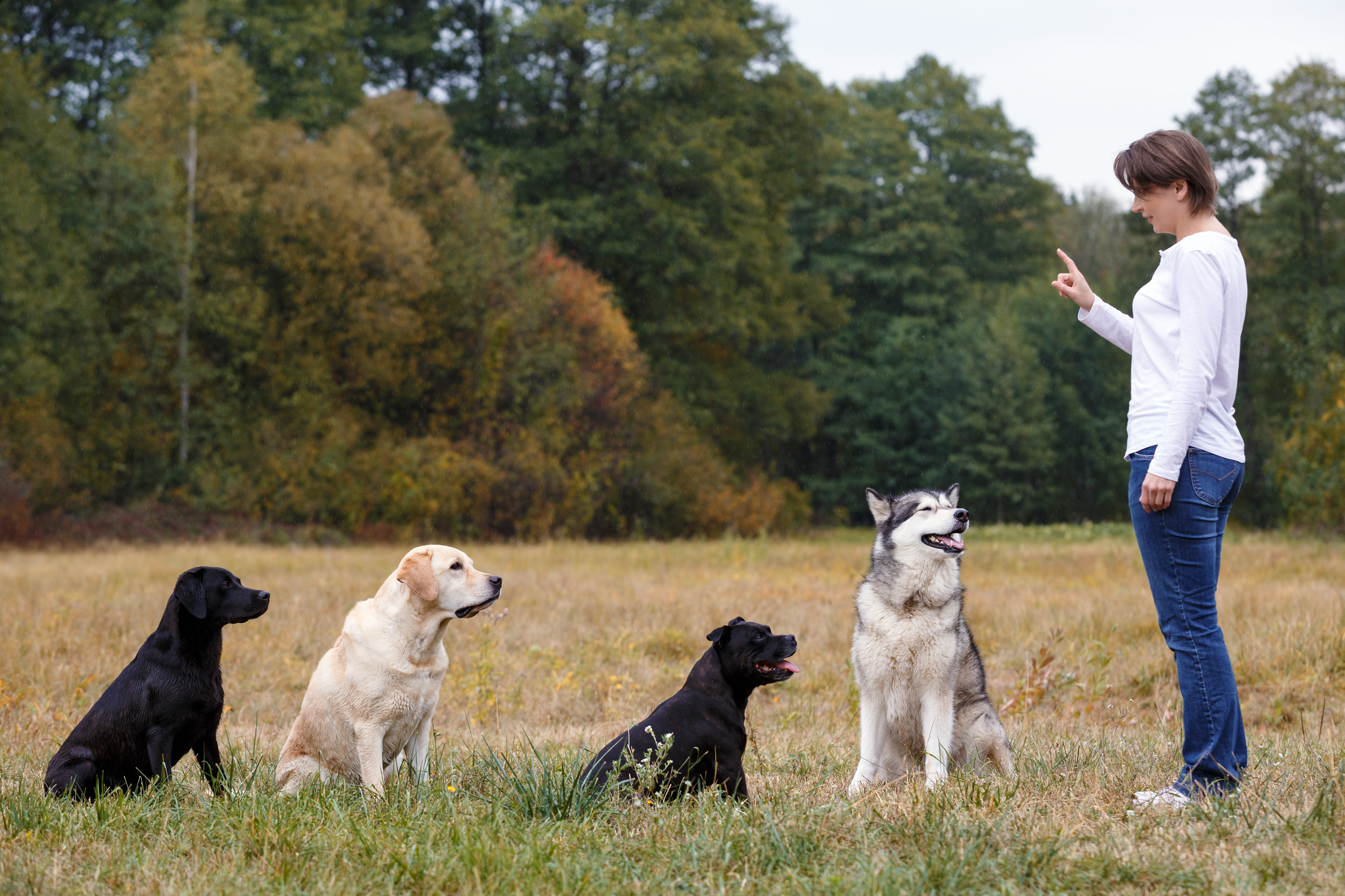
Consistency Beats Intensity
You don’t need harsher corrections — you need clearer expectations.
-
Same commands
-
Same rules
-
Same consequences
Every time.
Reinforce Calm, Not Chaos
Reward:
-
Relaxed behavior
-
Neutral coexistence
-
Ignoring distractions
Stop accidentally reinforcing bad behavior with attention.
Redirect Instead of React
Correction without direction is just noise.
If a dog fixates, barks, or postures:
-
Interrupt
-
Redirect to a known command
-
Reward compliance
This teaches what to do, not just what not to do.
How to Build Positive Relationships Between Dogs
Friendship is optional. Respect is not.
What Actually Helps
-
Structured group walks
-
Supervised shared activities
-
Training sessions together
What Hurts
-
Forcing interaction
-
Allowing “figure it out” moments
-
Ignoring early warning signs
Dogs coexist peacefully when leadership is consistent and expectations are clear.
Why Sit Means Sit Tampa Gets Better Results

Most training fails because it’s generic.
We don’t do generic.
Our Approach
-
Individual dog assessments
-
Household-specific training plans
-
Clear structure for owners and dogs
Whether you’re dealing with:
-
Dog-to-dog aggression
-
Anxiety during introductions
-
Persistent tension
We address the root — not just the symptom.
Real Results From Real Multi-Dog Homes
-
Homes once ruled by chaos now run calmly
-
Reactive dogs learn neutrality
-
Owners regain confidence and control
Final Thought (Read This Twice)
The longer you wait, the harder this gets.
Behavior patterns don’t fade — they solidify.
If your multi-pet household feels tense, unpredictable, or stressful, it’s time to bring in professional structure. Sit Means Sit Tampa is ready to help you create a calm, balanced home where dogs coexist safely and confidently.