

Real-Life Dog Obedience in a Busy Tampa Home: What It Actually Looks Like
Your busy Tampa home doesn’t have time for obedience that falls apart the moment the door swings open. You want dog obedience at home that holds steady through the chaos of work, kids, and daily life. Here’s a clear look at what dependable obedience actually looks like in a busy family—and how Sit Means Sit Tampa’s custom programs can bring calm and control back to your day.
Real-Life Dog Obedience in Tampa
Understanding Dependable Obedience
The dream is a dog that listens no matter the distractions. Dependable obedience means your dog stays calm and follows commands, even with kids running around or the doorbell ringing. It’s about creating a bond where your dog knows what’s expected, leading to a happier, more peaceful home environment.
Common Challenges in Busy Homes
Busy homes face unique hurdles in training. Kids leave doors open, schedules are hectic, and consistency can slip. Dogs may become confused or overstimulated. Without clear guidance, they may develop habits like jumping on guests or ignoring commands. It’s crucial to find a training program that adapts to the chaos of daily life.
Effective Training Solutions

Custom Programs for Busy Families
Every family is different, and so is every dog. Custom training programs offer tailored solutions, ensuring that both you and your dog can thrive. These programs work with your schedule, addressing specific issues you’re facing. Whether it’s leash manners or polite greetings, custom plans target what matters most to you.
Day Training for Dogs in Tampa
Day training is like school for dogs. Drop your dog off in the morning and pick them up in the evening, having learned valuable skills. This setup is perfect for busy owners who want their dog trained without disrupting their routine. Trainers work on specific goals, ensuring your dog gets the attention they need to succeed.
Board and Train Tampa Options
For those needing a more intensive option, board and train programs are ideal. Your dog stays with the trainers and gets focused, around-the-clock attention. This setting allows for immersive learning, which can lead to quicker progress in addressing challenging behaviors and forming lasting habits.
Building a Calmer Home Environment
Structured Dog Routine Tips
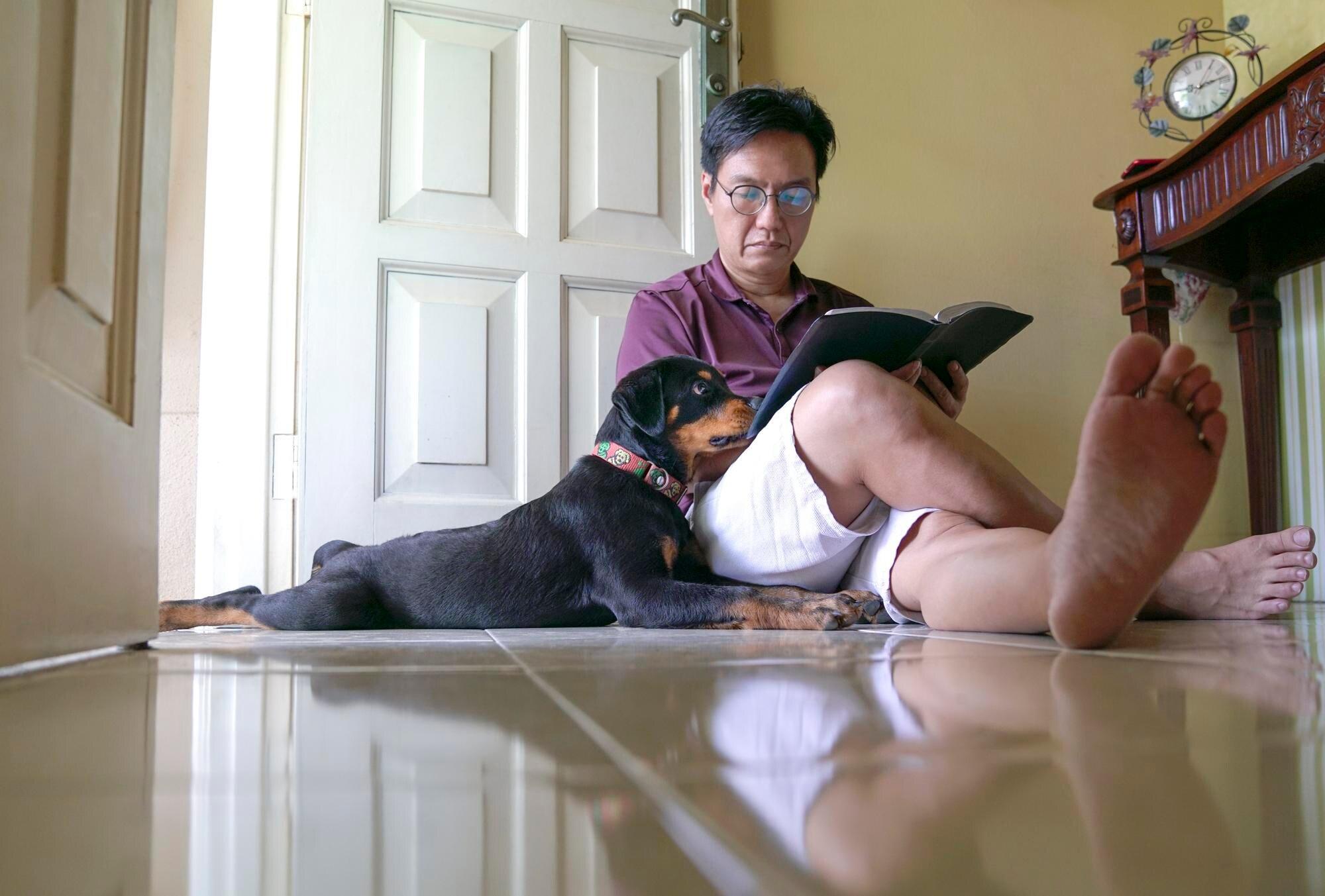
A structured routine creates a sense of security for dogs. Consistent meal times, walks, and play sessions help your dog know what to expect. This predictability reduces anxiety and can lead to better behavior. Start with simple routines and gradually build more structure into your day.
Reliable Obedience Indoors
Training doesn’t stop at the front door. Practicing commands inside helps your dog understand that the rules apply everywhere. Use everyday situations, like meal times or TV breaks, to reinforce obedience. This consistency builds a strong foundation, making it easier for your dog to follow commands outside the home.
Polite Greetings and Door Manners
A calm greeting sets the tone for any interaction. Teach your dog to sit when the doorbell rings or guests arrive. Practice this regularly, rewarding calm behavior. Over time, your dog will learn that good manners mean good things, reducing chaos during arrivals and departures.
🐶✨
Frequently Asked Questions
How long does it take to train a dog for dependable obedience?
Training duration varies based on the dog’s age, breed, and behavior issues. While some dogs show improvement in days, others might take weeks or months of consistent effort. Regular practice and reinforcement at home are key to lasting success.
What is the best age to start dog training?
The ideal time to start training is when your dog is a puppy, around 8 to 12 weeks old. Puppies are more receptive to learning new commands and establishing good habits early on. However, older dogs can still benefit from training with patience and consistent practice.
Can obedience training help with hyperactivity?
Yes, obedience training can help manage hyperactivity by providing mental stimulation and structure. Training redirects your dog’s energy into positive activities and teaches them how to focus, reducing unwanted behaviors caused by excess energy.