

Stop the Chaos: How to Keep Your Dog from Making the Rules at Home
Your dog isn’t trying to be difficult—they just don’t know the rules yet. When your dog makes their own rules at home, it creates chaos, stress, and frustration for everyone. You need a clear, simple structure that fits your busy life and turns that chaos into calm. Keep reading to learn how to stop your dog making own rules and build dog house rules that bring peace back to your home.
Establishing Dog House Rules
Creating a peaceful home with your dog begins with setting clear rules. This helps you replace chaos with calm. Let’s explore how to establish these house rules.
Begin with Consistent Boundaries
Start by deciding what behaviors are acceptable. Your dog needs to know where they can roam and what is off-limits. This clarity helps them understand your expectations.
Begin with simple boundaries. For instance, designate areas in your house where your dog is allowed to play or rest. You could use baby gates to block off rooms. Consistency is key: everyone in the house should enforce these boundaries. If your dog is allowed on the couch one day but not the next, they will be confused. Stick to the rules you set.
Set a Reliable Routine
A routine gives your dog a sense of security. Feed them at the same times each day and take them for walks regularly. This predictability reduces anxiety and unwanted behaviors.
Routines should be simple yet effective. If your dog knows when to expect meals and walks, they will be less likely to act out for attention. Include time for play and training sessions to keep them engaged. Consistency in daily activities builds trust and a sense of normalcy for your dog.
Encourage Calm Behavior at Home
Calmness is vital for a harmonious home. Teach your dog to relax by rewarding them for calm actions. This reduces hyperactivity and promotes a peaceful environment.
Start by reinforcing quiet behavior. If your dog sits calmly when guests arrive, give them a treat. Over time, they’ll associate calmness with positive outcomes. This method is effective: rewarding desired behavior encourages repetition. With patience and consistency, you’ll foster a more tranquil household.
Implementing Structure for Dogs at Home
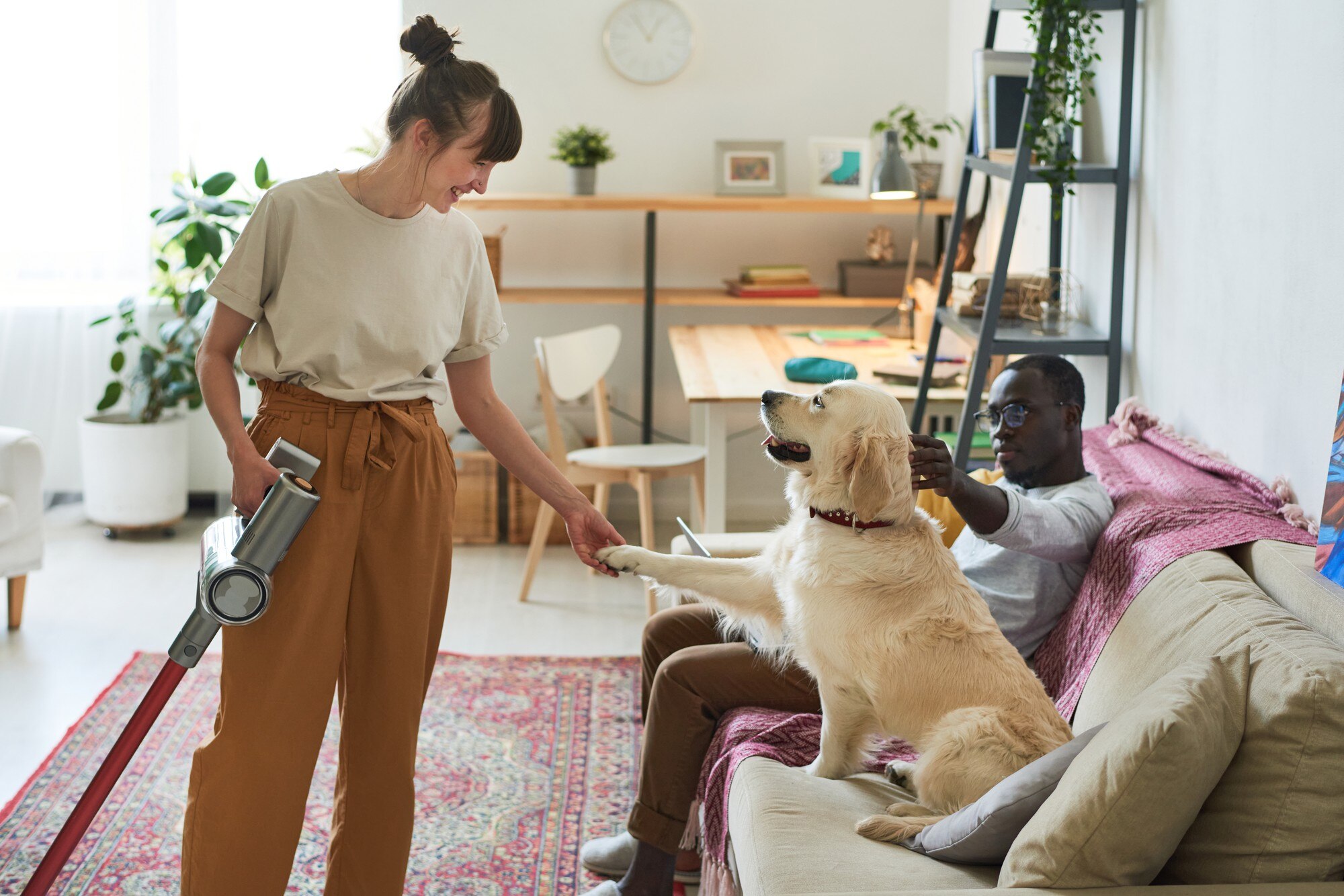
Establishing structure helps manage your dog’s behavior. This section covers ways to implement that structure effectively.
Leash and Stationing Indoors
Using a leash indoors can teach your dog boundaries. It provides control without restricting their freedom entirely.
Begin by leashing your dog to a fixed point while you are home. This helps them understand where they should stay. Gradually introduce the concept of stationing: a dedicated spot like a mat or bed. Reward them for staying put. This reinforces the idea that this is their space. Through consistent practice, your dog will learn to settle in designated areas.
Manage Door and Greeting Manners
Door and greeting manners are crucial for a well-behaved dog. Teaching these skills prevents chaotic welcomes.
Train your dog to sit before opening the door. This prevents them from rushing out or jumping on guests. Use positive reinforcement: praise them when they stay calm. Practice with family members to solidify the behavior. Consistent training results in polite greetings and less stress when visitors arrive.
Define Toy and Feeding Boundaries
Toy and feeding boundaries help manage possession issues. They ensure that playtime and mealtime are orderly.
Designate specific toys for your dog and keep them in a dedicated area. This teaches them what they can play with. During feeding, establish a routine where they wait calmly before eating. Over time, these boundaries create a structured environment with clear expectations.
Seeking Professional Dog Training Tampa
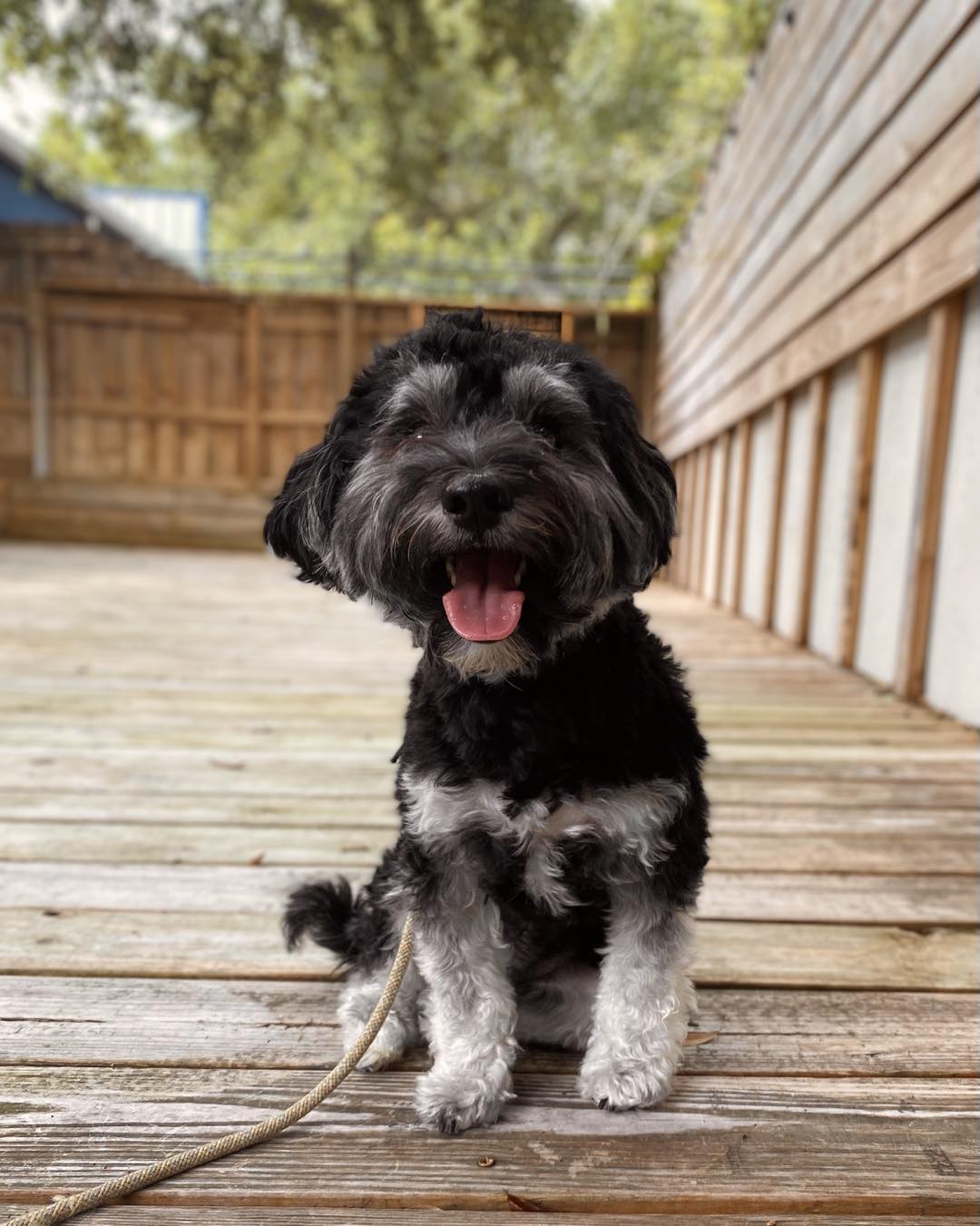
Sometimes, professional help is needed to solidify your dog’s training. Tampa offers several options to suit your needs.
Explore Board and Train Tampa Options
Board and train programs provide intensive training sessions. These are ideal for addressing specific behavior issues quickly.
In Tampa, you can find programs that take your dog for a period, focusing on problem behaviors. This option offers the benefit of professional guidance. While your dog learns, you receive updates on their progress. This transparency ensures you stay informed and involved.
Benefits of Private Dog Training Tampa
Private sessions offer personalized attention. They are great for targeting individual challenges.
In a one-on-one setting, trainers can tailor lessons to your dog’s needs. This approach allows for focused work on specific issues. You’ll also learn strategies to implement at home, ensuring continuity. Private training offers flexibility and direct support for your unique situation.
Day Training for Dogs Tampa Solutions
Day training combines professional expertise with daily routines. It’s a practical choice for busy owners.
Drop your dog off for training during the day and pick them up afterward. This format fits well with work schedules. Trainers work on obedience and behavior throughout the day. This option not only improves your dog’s skills but also offers a manageable solution to fit into your routine.
Frequently Asked Questions
How can I stop my dog from jumping on guests?
Teach them to sit when the doorbell rings. Reward calm behavior with treats. Consistent practice leads to polite greetings.
What is the best way to establish a routine for my dog?
Feed and walk your dog at the same times each day. Include play and training sessions for a balanced schedule.
Are private dog training sessions worth it?
Yes, they provide tailored solutions for specific issues. Trainers offer direct support and strategies for home practice.
Can day training programs fit into a busy schedule?
Absolutely, they are designed for convenience. You drop off your dog for training during the day and pick them up, saving you time.
What should I expect from a board and train program?
Intensive training with professional guidance. Your dog receives focused attention on specific behaviors and you stay informed of their progress.