

The Truth About Managing Your Dog’s Behavior: Honest Expectations for Lasting Change
The Truth About Managing Your Dog’s Behavior: Honest Expectations for Lasting Change
Managing your dog’s behavior isn’t about quick fixes or magic tricks. It demands honest expectations, steady structure, and consistent effort. If you’re a busy Tampa Bay dog owner feeling overwhelmed or embarrassed by your dog’s actions, this post will show you how clear, practical steps can lead to real, lasting calm. Ready to manage dog behavior with confidence? Keep reading to learn what it really takes.
Set Realistic Expectations

Understanding what truly lies ahead is crucial for any dog owner seeking change. Let’s dive into some common misconceptions and discover what your dog truly needs.
Avoiding Common Misconceptions
You might think dogs should behave perfectly after just a few classes, but that’s not the case. Real change takes time and patience. Quick fixes can lead to more frustration. Like many dog owners, you may believe that consistent obedience is immediate, but real progress involves ongoing effort and practice. Most people think a well-behaved dog comes from commands alone, but it’s about building trust and connection. Here’s the key insight: patience and persistence are your best tools.
Understanding Your Dog’s Needs
Every dog has unique needs based on their breed, age, and personality. While some dogs adapt quickly, others require more time and attention. It’s essential to understand these individual needs. Consider these examples: a high-energy puppy might need more exercise, while an older dog might need more patience. Recognizing these differences helps in tailoring the right approach. This understanding forms the foundation of a harmonious relationship.
Structure and Consistency
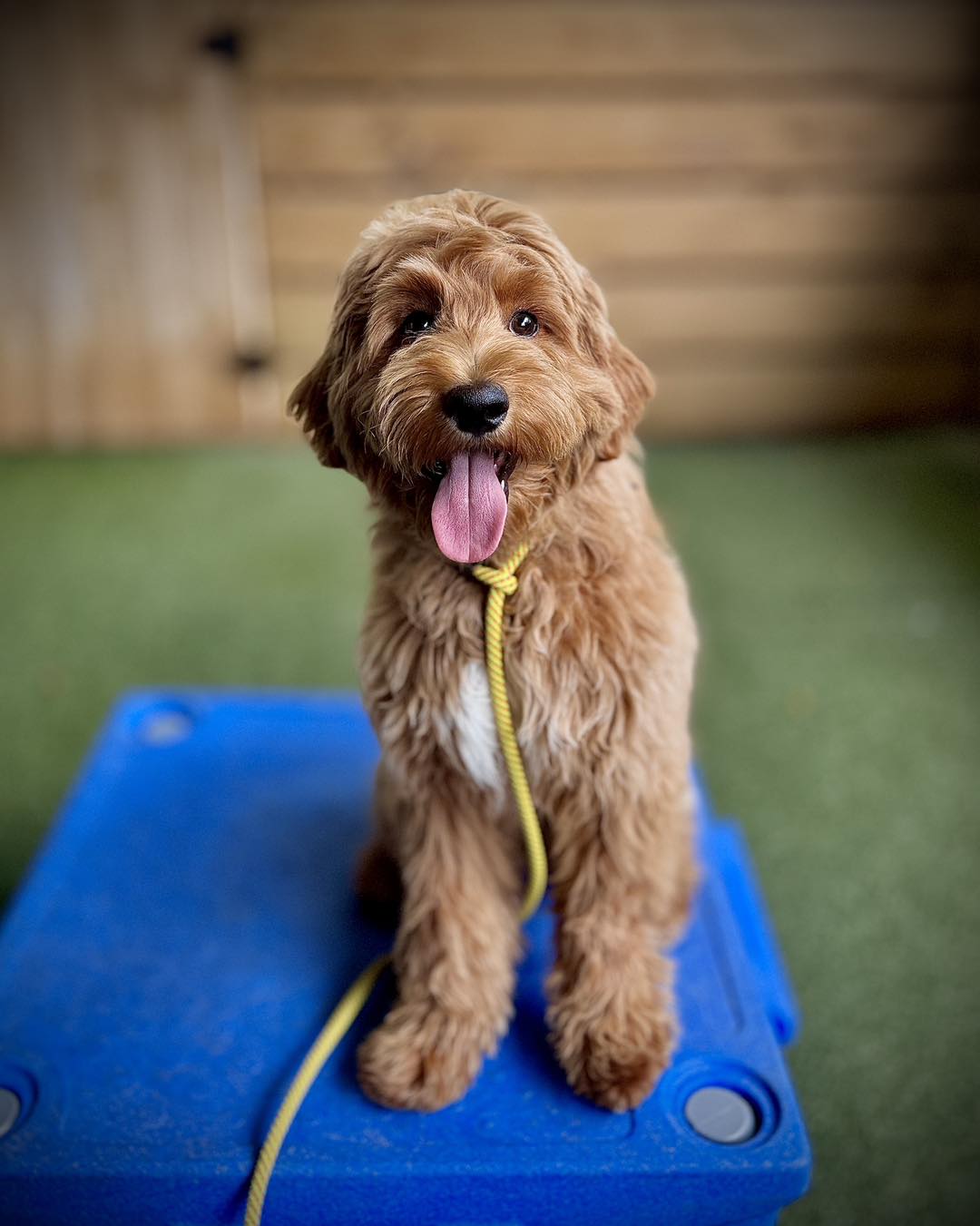
Armed with realistic expectations, it’s time to establish a structured routine. Consistency plays a pivotal role in achieving lasting change and stronger bonds.
Creating a Routine
Dogs thrive on routine. It gives them a sense of security and predictability. Start by setting meal times, walk schedules, and training sessions. A typical day could include a morning walk, a midday play session, and evening training. These routines help to manage your dog’s energy levels, ensuring they remain calm at home. Building a routine also aids in establishing boundaries and reduces anxiety. The longer you wait to set these, the more challenging it becomes to break bad habits.
Building Clear Communication
Communication is key to understanding. Your dog learns through your tone, actions, and consistency. Begin with simple commands like “sit” and “stay.” Use clear, firm tones and reward good behavior. Avoid mixed signals: if you use “sit” sometimes but “down” at others, it confuses them. Consistency in communication builds trust and strengthens your bond. Here’s the mini-payoff: as communication improves, so does your dog’s responsiveness and confidence.
Start Your Training Journey

Equipped with a routine and clear communication, you’re ready to embark on a training journey tailored to your dog’s needs.
Personalized Training Plans
Every dog benefits from a training plan designed just for them. Consider factors like your dog’s age, temperament, and any specific challenges they face. For instance, a plan for a shy dog might include socialization exercises, while a plan for an active pup might focus on energy outlets. Personalized plans mean your dog gets exactly what they need to succeed. This approach fosters a more enjoyable training experience for both of you.
Free Evaluation: Your First Step
Your journey begins with a free evaluation, a vital first step in understanding your dog’s needs. During this session, a professional trainer will assess your dog’s behavior, discuss your goals, and recommend a tailored plan. This evaluation provides clarity and direction, setting the stage for success. Remember, the sooner you start, the sooner you’ll see results. Why wait? Embrace the opportunity to build a calmer, more connected life with your dog.