

Stop Leash Pulling Early: Make Calm Walks Your Dog’s New Routine
Leash pulling doesn’t start out as a big problem—it sneaks in and takes over your walks before you realize it. If your dog pulls on leash now, you’re on a fast track to daily frustration and stress. But stopping leash pulling early can make calm dog walks the new normal for both of you. Let’s break down simple, clear steps that work in Tampa, so you can bring order back to your routine and enjoy every walk again.
Build Structure on Every Walk
Creating a structured walk routine is the first step toward stopping leash pulling. It provides your dog with clear expectations and reduces frustration.
Set Consistent Walk Routines
Consistency is key to a well-behaved dog. Try to walk your dog at the same times every day. This sets a rhythm they can rely on. Consistent walks reduce your dog’s anxiety and help them understand when to expect exercise. Predictable walks mean your dog will be less likely to pull in excitement when the leash comes out. Remember, a tired dog is a calm dog. A daily routine can transform chaotic walks into peaceful strolls.
Establish Clear Commands
Clear commands are essential for effective communication. Start with basic words like “sit” and “stay” right before heading out. When your dog understands these commands, they will start to pay more attention to you. Use a firm, yet friendly voice, and always reward good behavior with praise or a treat. If you find yourself repeating commands, try using a different tone or a shorter phrase.
Effective Leash Training Tips
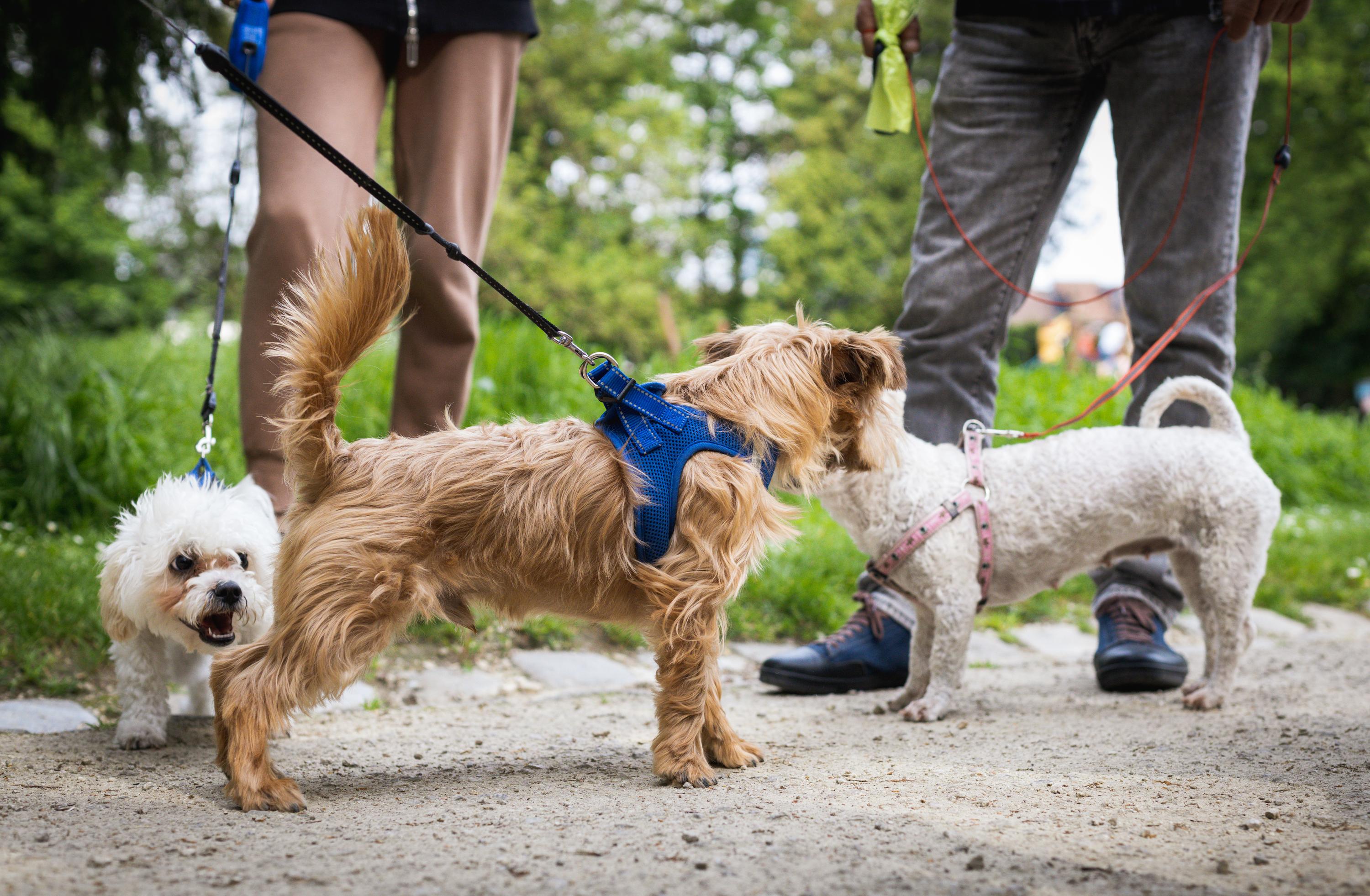
Leash training is a crucial part of teaching your dog good manners. Starting early can save you a lot of headaches later on.
Start with Puppy Leash Training
Puppyhood is the perfect time to begin leash training. Start by letting your puppy wear a collar and leash indoors. Allow them to get used to the feeling without any pressure. Once comfortable, practice short walks around your house. Encourage them with treats and enthusiastic praise when they walk without pulling. Short, successful sessions are better than longer, frustrating ones. With patience, you can set a strong foundation for future walks.
Techniques for Loose Leash Walking
Loose leash walking teaches your dog to walk beside you without pulling. Begin by holding the leash with a bit of slack. If your dog pulls, stop walking immediately. Wait until they return to your side before moving again. This shows them that pulling won’t get them where they want to go. Consistency is critical here. Over time, your dog will learn that staying close to you is more rewarding than forging ahead.
Overcome Common Pulling Challenges
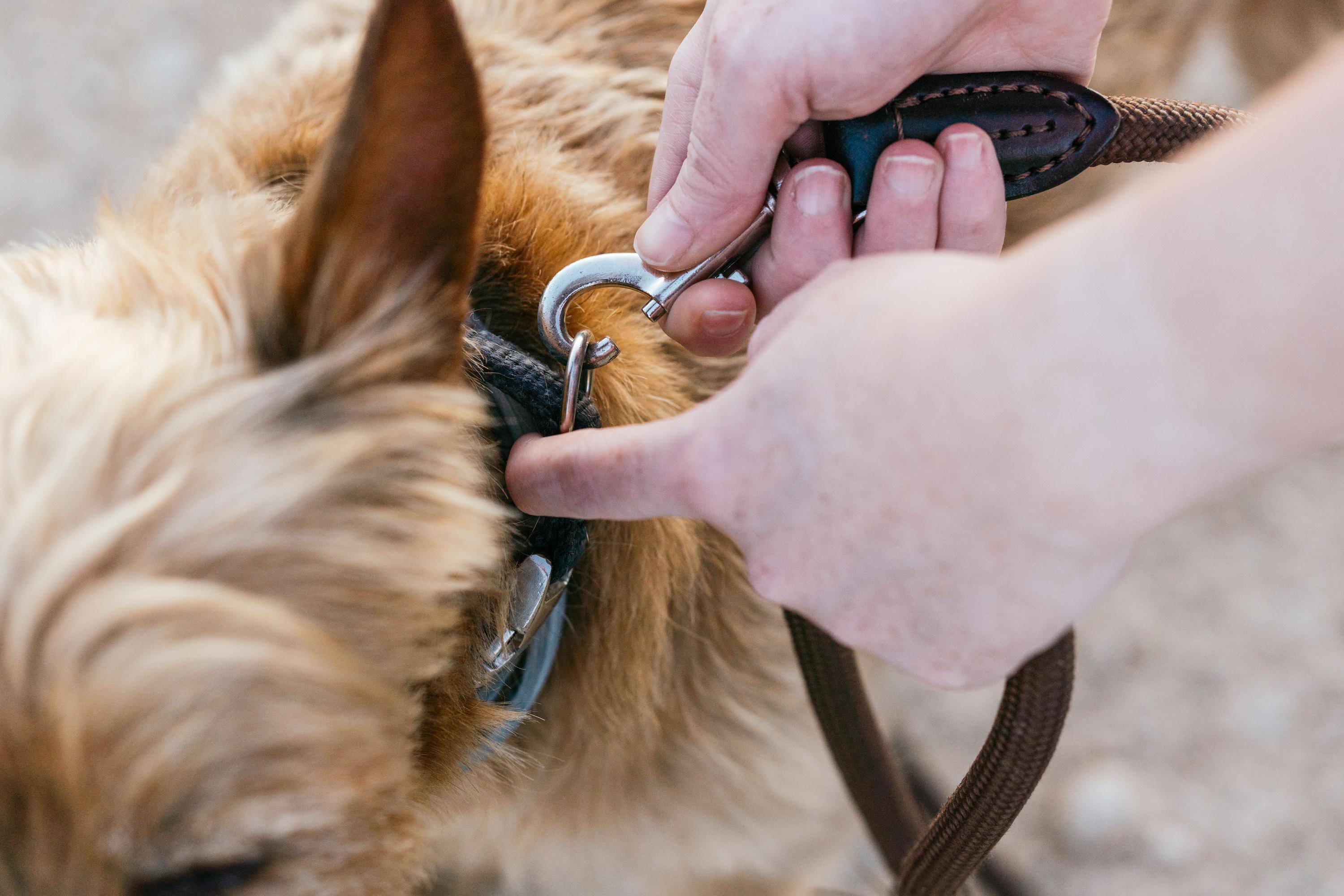
Addressing the specific challenges of leash pulling can make a big difference. Knowing what to do when things go wrong is just as important as knowing what to do when things go right.
How to Stop Dog from Pulling
Stopping a dog from pulling can be challenging, but it’s not impossible. Use the “stop and go” method: when your dog pulls, stop walking and wait until they return to your side. Then, reward them with a treat or praise. This teaches them that pulling won’t get them where they want to go. Patience and persistence are your best tools. Over time, your dog will associate staying by your side with positive outcomes.
Heel Training for Calm Dog Walks
Heel training can turn chaotic walks into calm experiences. Start by getting your dog’s attention with a treat or toy. Use the command “heel” and begin walking. Keep the leash short but loose. If your dog starts to pull, stop walking and use the command again. Reward them when they follow through. This type of training requires practice but leads to peaceful, enjoyable walks.
Frequently Asked Questions
How do I stop my puppy from pulling on the leash?
Begin training early with short, positive sessions. Let your puppy wear a collar and leash indoors to get used to it. Reward them when they walk without pulling and gradually increase the distance.
What is loose leash walking, and why is it important?
Loose leash walking is a technique where your dog walks beside you without pulling. It’s important because it makes walks more enjoyable and safe for both you and your dog.
How can I teach my dog to heel?
Start by using a treat or toy to get your dog’s attention. Use the command “heel” and begin walking. Reward your dog for staying by your side. Practice regularly to reinforce this behavior.
By integrating these strategies into your daily routine, leash pulling can become a thing of the past. Enjoy the transformation from chaotic walks to serene strolls with your well-mannered dog. Remember, patience and consistency are your best allies in this journey toward calmer, happier walks.