

Why Your Dog Ignores You When Distractions Go Up—and How Training Changes That
Your dog tunes out the moment distractions pile up outside. You’re left frustrated, embarrassed, and wondering why your dog ignores you outside when you’re trying to enjoy a walk or calm moment at home. The good news: focus around distractions can improve with the right training plan designed for your busy Tampa life. Keep reading to see how structured steps build real-world attention and how we help owners like you get control back.
Why Dogs Tune Out
When your dog ignores you, it feels personal, but it’s not. Dogs respond to their environment and the signals they receive. Let’s explore why your dog might be tuning you out.
Competing Motivators in Action
Dogs are wired to notice everything. This means your commands might be competing with a squirrel in the distance or another dog across the street. These competing motivators can make it hard for your dog to focus on you. Imagine trying to concentrate on a task while someone is loudly playing music next to you. It’s difficult, right? Your dog experiences similar distractions, which is why they might not seem to listen on walks. By understanding this, you can start to see how training can help your dog focus more on you and less on the chaos around them.
Mixed Signals From Owners
Sometimes, the problem isn’t the distractions but the messages we unintentionally send. For example, if you call your dog but then don’t follow through with a reward or positive reinforcement, your dog learns that listening doesn’t always result in something good. Dogs thrive on consistency. If you’re giving mixed messages, they’ll struggle to understand what you want. Clear and consistent signals help your dog know what to expect, which boosts their ability to listen even when life gets busy.
Importance of Generalization
Generalization is a key part of training, meaning your dog learns to apply commands in different situations. If your dog only practices commands at home, they might not understand that “sit” means the same thing at the park. This is where generalization comes in. Training should happen in various environments to help your dog apply skills everywhere. By varying the setting, you teach your dog to respond regardless of where they are, making commands like “come” or “stay” reliable outside your living room.
Building Focus and Engagement
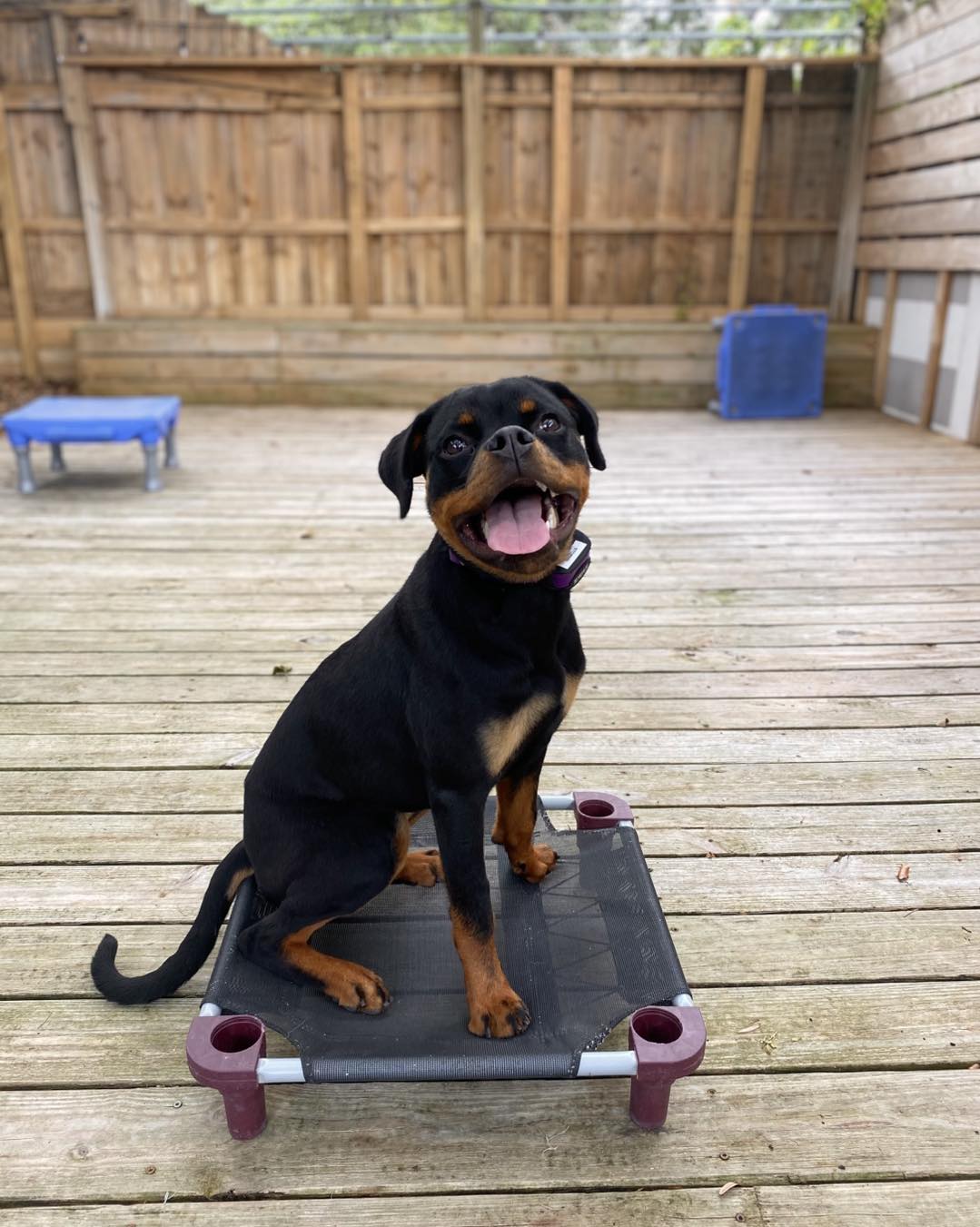
Once you understand why dogs tune out, it’s time to focus on building their engagement with you. A structured approach creates a strong foundation for success.
Foundation Skills for Success
Foundation skills are like building blocks. They include simple commands such as “sit” or “stay,” which establish a baseline for more complex behaviors. These skills teach your dog to pay attention and respond appropriately. Start small: practice these commands in a quiet space to ensure your dog understands. Once these basics are solid, you can start adding more challenges. This approach gives your dog confidence and prepares them to tackle distractions more effectively.
Layering Distractions Effectively
After establishing a strong foundation, it’s time to introduce distractions gradually. Start by adding small distractions during training and increase their complexity as your dog becomes more adept. Think of it like lifting weights—you don’t start with the heaviest, but you gradually increase as your muscles develop. By layering distractions, your dog learns to maintain focus even when the environment becomes more challenging. This step-by-step method builds resilience and concentration.
Real-Life Practice for Reliability
Real-life practice is where training meets the real world. Take your training sessions from your backyard to your local park. This transition is crucial because it challenges your dog to use their skills in environments filled with distractions. Consistent practice outside typical settings ensures your dog knows commands aren’t just for controlled environments. This approach helps your dog listen reliably, whether on a busy sidewalk or in a bustling dog park.
Training Programs That Fit

Not all training programs are the same. Finding one that suits your lifestyle and goals can make a significant difference in achieving results.
Board and Train in Tampa
Board and train programs offer an intensive training experience. Your dog stays with professionals and receives focused training sessions. This can be an excellent choice if you’re busy but want effective results quickly. With this program, your dog learns foundational skills in a distraction-rich environment and returns home with improved behavior. This method ensures your dog gets the focused time needed to thrive.
Private Dog Training Options
Private dog training offers one-on-one sessions tailored to your dog’s specific needs. This is perfect if you want to be hands-on in the training process. You’ll work directly with a trainer to address your dog’s unique challenges. Whether it’s leash manners or recall, private training offers personalized attention. This path empowers you and your dog by building a customized plan that fits into your everyday life.
Day Training for Busy Owners
Day training is like school for your dog, providing daily learning without the need for overnight stays. You drop your dog off in the morning and pick up a better-behaved companion by the end of the day. This program is ideal for busy owners who want to see progress without sacrificing their schedule. Day training focuses on real-world skills and gives you a hands-on session with the trainer to reinforce learning at home.
Frequently Asked Questions
Why does my dog ignore me outside but listen at home?
Dogs often find outdoor environments more stimulating, making it hard to focus on commands without specific training tailored to handle distractions.
What is the best way to train a dog to focus?
Start with basic commands in a quiet place, then gradually introduce distractions. Consistent practice in varied settings helps improve focus.
How can I stop my dog from pulling on the leash during walks?
Teach loose leash walking by rewarding your dog for walking beside you. Stop and reset whenever they pull, reinforcing the desired behavior.
What’s the difference between board and train and day training?
Board and train involves overnight stays for intensive training, while day training provides daily sessions without overnight stays, allowing you to reinforce skills at home.
How long does it take to train a dog to listen reliably?
Training duration varies based on your dog’s temperament and the consistency of practice, but structured programs significantly speed up progress.