
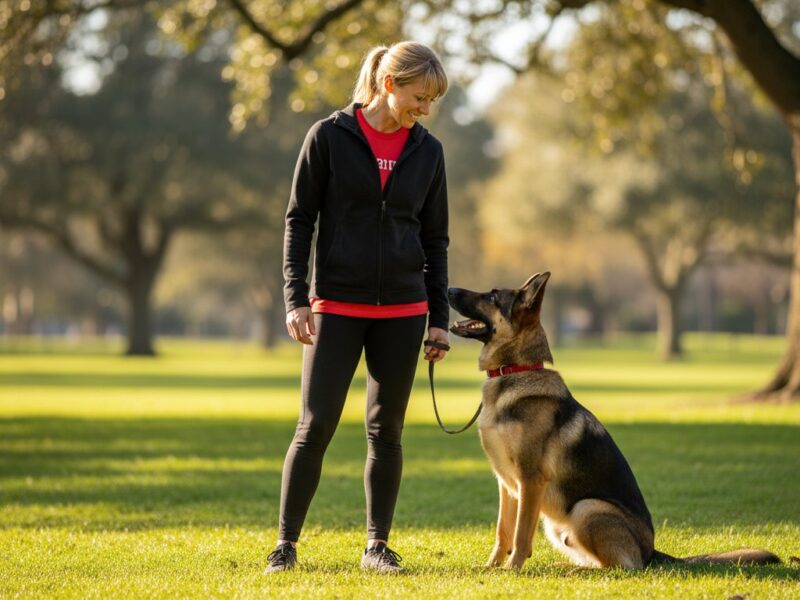
True freedom for your dog isn’t found at the end of a long leash; it’s earned through the discipline of clear communication. You want to take your best friend on every adventure. However, you might be among the 40 percent of owners who feel they can’t fully control their pets in public spaces. It’s exhausting when your dog only listens if you’re holding a treat. Learning how to build a better bond with your dog starts by replacing that anxiety with a reliable system of mutual respect and absolute confidence.
We know you’re ready for a transformation. You deserve a dog that focuses on you even when the world gets loud and distracting. This article explores how to shift your relationship from one of constant bribery to a deep, unbreakable connection built on clear boundaries. We’ll preview the essential steps to achieving off-leash reliability and show you how to create a lifestyle where your dog chooses to listen because they trust your leadership. It’s time to trade frustration for the pride of a perfectly behaved companion.
Key Takeaways
- Redefine your connection by focusing on mutual trust and reliability under pressure instead of just affection.
- Understand why structured training is a powerful bonding tool that satisfies your dog’s natural instinct to work with you.
- Overcome the fear of discipline. Learn how clear boundaries actually prevent the frustration that kills your connection.
- Practice specific engagement drills that prioritize eye contact and positive energy to transform your daily interactions.
- Discover how to build a better bond with your dog through professional training programs that turn obedience into a joyful lifestyle.
What Does it Mean to Truly Bond with Your Dog?
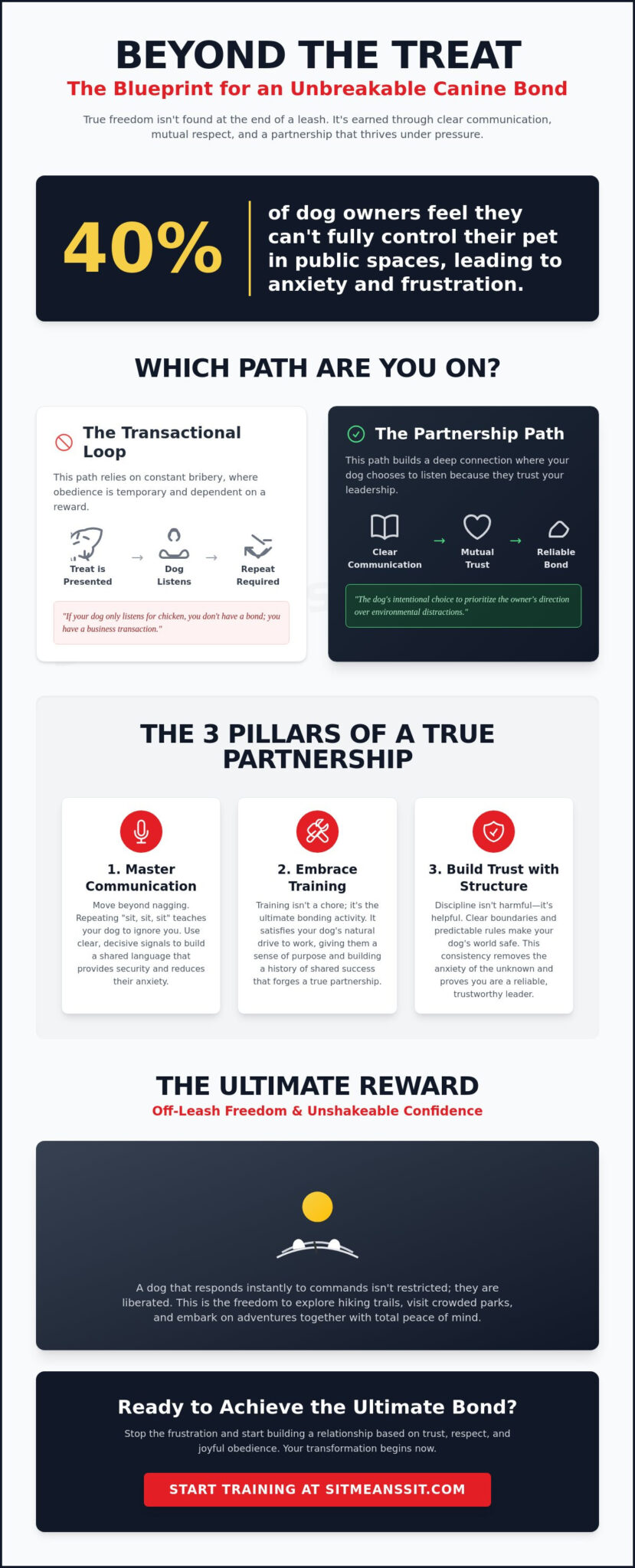
A true bond with your dog is more than just belly rubs and evening snuggles. It’s a functional, high-performance partnership. When owners ask how to build a better bond with your dog, they often mistake affection for connection. Real bonding is defined by mutual trust, unwavering respect, and a shared vocabulary that works even when the stakes are high. It’s about reliability under pressure. If your dog only listens when you have a piece of chicken in your hand, you don’t have a bond; you have a business transaction. Mastery-based bonding replaces that bribery with a deep, psychological agreement between you and your pet.
Clear communication is the only path to this level of connection. You must move beyond the “treat-based” mindset where the dog’s focus is on the food, not the leader. When you establish a shared language, you provide your dog with a sense of purpose and security. This transformation shifts your relationship from one of constant frustration to one of absolute confidence. You aren’t just a source of food; you are a source of direction and safety.
The Difference Between Affection and Connection
Petting and treats occupy the surface level of your relationship. They’re enjoyable, but they don’t drive behavior in high-stimulation environments. Mastery-based bonding focuses on eye contact and intense focus. It requires your dog to look to you for permission and guidance before reacting to the world around them. A canine connection is the dog’s intentional choice to prioritize the owner’s direction over environmental distractions. This choice is built through consistent, structured interactions that prove you are worth listening to every single time.
Why Communication is the Foundation
Stop nagging your dog. Repeating commands like “sit, sit, sit” creates “white noise” that your dog eventually learns to ignore. This repetitive nagging actually weakens your bond because it teaches your dog that your words are suggestions rather than definitive agreements. Clear, decisive signals provide instant relief for your pet. They want to know exactly what is expected of them in any given moment. This clarity reduces canine anxiety and builds a foundation of trust that lasts a lifetime. Understanding the historical and scientific evolution of the human-canine bond shows that dogs have always thrived under clear leadership and purposeful work. When you remove the guesswork, you replace their confusion with confidence and pride.
Why Structured Training is the Ultimate Bonding Activity
Stop treating training as a chore that takes away from your “fun” time. In reality, structured training is the single most effective way to build a deep connection. Most owners spend their time hand-feeding or grooming, hoping for a spark. While those activities are fine, they don’t satisfy a dog’s biological drive to work. Dogs are workers by nature. They thrive on shared tasks and clear objectives. Every time you master a new skill together, you’re building a history of success. This shifts your relationship from a simple owner-pet dynamic into a high-functioning, collaborative partnership. Learning how to build a better bond with your dog means giving them a job they love to do with you.
When you focus on shared tasks, you give your dog a sense of accomplishment. They aren’t just existing in your home; they are contributing to your pack. This shared focus creates a level of engagement that quiet time simply cannot match. You become a team. This transformation replaces the frustration of being ignored with the pride of seeing your dog choose you over everything else. It moves the relationship beyond the surface-level affection we discussed earlier and into the realm of true mastery.
Building Trust Through Predictability
Dogs crave structure because it makes their world predictable. When your commands are definitive and consistent, you remove the anxiety of the unknown. Your dog learns the “rules of the game” and understands exactly how to win your praise. This predictability is the foundation of trust. Dogs naturally gravitate toward assertive, clear leaders who provide direction without hesitation. By being a reliable source of information, you become their safe harbor in a chaotic world. It’s about being the person your dog can always count on for clarity.
The Freedom of Off-Leash Communication
The ultimate goal of dog obedience training is total liberation. Many owners fear that discipline restricts their dog’s life. The opposite is true. A dog that responds instantly to commands can enjoy a “longer leash” of trust. You can explore hiking trails, visit crowded parks, and embark on off-leash adventures with total peace of mind. This level of communication serves as a safety net; it allows your dog to experience the world more fully. It turns every outing into a bonding experience rather than a stressful struggle. If you’re ready to experience this freedom, our private lessons can help you establish that foundation today.
Debunking the Myth: Does Discipline Hurt Your Bond?
The biggest fear we hear from owners is simple: “Will my dog hate me if I’m firm?” It’s a valid concern, but it’s based on a total misconception of what discipline actually is. Discipline is not a restriction; it is the key to liberation. In fact, a lack of boundaries is what truly damages the relationship. When your dog ignores your commands, you feel resentful and stressed. When you feel resentful, you stop enjoying your time together. Discipline provides the structure that allows your dog to relax and trust your leadership. Learning how to build a better bond with your dog requires you to step up as a confident authority figure who provides clear expectations. Rules don’t just create a well-behaved pet; they create a dog that feels secure and loved because they know exactly where they stand in your pack.
The Frustration-Control Cycle
Bad behavior acts like a wedge between you and your dog. Every time they jump on a guest, bark at the neighbors, or bolt out the door, a small piece of your connection breaks. You find yourself yelling “No!” or “Stop that!” without offering a constructive solution. This cycle of frustration is the real bond-killer. Attempting to “love” a dog through dangerous or destructive behavior is actually a disservice to the animal. It leaves them in a state of constant confusion and high alert. Professional instruction breaks this cycle by replacing reactive shouting with proactive direction. We help you transition from saying “Stop that!” to giving a definitive “Do this!” command. This shift empowers both you and your dog. It replaces the chaos of the home with a sense of empowerment and pride.
Using the Right Tools for Clear Communication
Mastery requires the right equipment for the job. The Remote Training Collar is often misunderstood by those who haven’t seen it in action, but it’s one of the most compassionate tools available. Think of it as a “tap on the shoulder” or a whisper-level conversation that works even at a distance. It provides the clear, instant feedback your dog needs to succeed in high-stimulation environments. Ambiguity is the enemy of trust. Inconsistent corrections or emotional outbursts confuse your dog and heighten their anxiety. By providing a steady, reliable signal, you make the world easier for them to navigate. You are giving them the answers to the test. Eventually, this device transitions from a “training tool” to a “safety tool” in your mind. It’s the ultimate insurance policy that allows for a life of off-leash adventures and deep, mutual respect.
5 Practical Drills to Deepen Your Connection Today
Theory is only the beginning. To truly understand how to build a better bond with your dog, you must put these principles into practice through high-engagement drills. Engagement is the primary metric of success. We look for “the look,” which is that moment when your dog locks eyes with you, waiting for their next directive. When you train, bring a “Happy, Happy, Happy” energy to every session. This positive intensity tells your dog that working with you is the best part of their day. Every drill must end with a clear win. By mixing high-energy play with calm, structured obedience, you teach your dog to regulate their emotions and stay focused on you regardless of the environment.
- Voluntary Focus: Reward your dog every time they choose to look at you without being asked.
- Threshold Waiting: Demand a sit and eye contact before opening any door or gate.
- The ‘Place’ Command: Send your dog to a specific boundary to build confidence in new environments.
- Recall Through Distraction: Practice coming when called while a toy is visible but stationary.
- Play-to-Calm Transitions: Engage in a game of tug, then immediately command a “down” to practice emotional control.
The ‘Check-In’ Game and Threshold Mastery
Leadership starts at the door. Threshold mastery is about establishing that you are the one who grants access to the world. Before stepping outside or entering a new room, require your dog to sit and offer eye contact. This simple act reinforces that you are the source of all good things. It turns a routine walk into a collaborative exercise in patience. Mark and reward every single instance of voluntary eye contact your dog gives you for the next 24 hours. This constant feedback loop proves that paying attention to you is the most rewarding choice they can make. It builds a habit of checking in that will serve you well in high-stimulation environments.
Distraction Training as a Team Sport
Stop viewing distractions as obstacles. Start viewing them as opportunities to prove your teamwork. When you attend a puppy training class, you aren’t just learning commands; you are practicing an “us against the world” mentality. Use the environment as a reward. If your dog maintains focus despite a passing squirrel or another dog, reward them by allowing them to go sniff a neutral area. This teaches them that focus is the key that unlocks the world. The ‘Place’ command is essential here. It gives your dog a “safe base” where they can observe the world without feeling the need to react. This builds immense trust. If you’re ready to master these drills under professional guidance, schedule your first session with Sit Means Sit today.
Achieve the Ultimate Bond with Professional Training
Sit Means Sit turns training into a lifestyle rather than a chore. It is about creating a consistent rhythm that fits perfectly into your family’s daily routine. Our immersive board and train program is the ultimate jump-start for this journey. It removes the initial frustration of teaching foundational skills from scratch in a busy home environment. By the time your dog returns to you, they have a solid, professional understanding of our shared language. This allows you to focus on what matters most: enjoying your pet. When you master how to build a better bond with your dog through structure, every walk becomes an opportunity for deep connection. You become the hero in your dog’s life because you are the one who provides the clarity and safety they crave. The final result is a dog that can go anywhere and do anything with you, from busy outdoor patios to crowded festivals.
Why Professional Guidance Makes the Difference
Even the most dedicated owners have blind spots in their communication. A professional trainer acts as a neutral third party to identify the subtle gaps that lead to confusion. We don’t just train the dog; we coach the human. Our methodology is designed to transform you from a frustrated pet owner into a confident, assertive handler. We provide you with the specific tools and techniques required to maintain the high standards your dog has achieved. This professional oversight ensures that your commands remain definitive agreements rather than mere suggestions. It is the difference between a dog that “mostly” listens and one that is 100 percent reliable under pressure. You will learn to read your dog’s emotional state and react with absolute confidence.
Your Journey to a Better Bond Starts Here
It is never too late to fix a broken bond or refine an existing relationship. Whether you have a young puppy or an older dog with deeply established habits, transformation is always possible. Imagine a life where you never have to worry about your dog bolting through an open door or ignoring you at the park. This is the liberation that comes through professional structure. You gain total control, and your dog gains the total freedom to participate in every family adventure. This is the ultimate goal of our programs. It is a lifestyle change that brings more joy to both ends of the leash. Take the first step toward a more adventurous and joyful life today. Book your consultation now and discover the power of clear communication.
Take the Lead on Your New Life Together
You now have the definitive roadmap for a stronger, more reliable relationship. True connection isn’t a mystery; it is the direct result of clear communication and the mutual respect that comes from shared work. Learning how to build a better bond with your dog means moving past the frustration of being ignored and stepping into the role of a confident leader. By implementing structured drills and using the right tools, you unlock a life of off-leash freedom and total reliability. You deserve to experience the pride of a perfectly behaved companion in every environment.
Sit Means Sit has been delivering industry-leading results since 1998. Our specialized Remote Training Collar technology and proven methodology have helped thousands of owners nationwide create adventure-ready companions. We replace your anxiety with absolute confidence and a sense of empowerment. It’s time to stop settling for a relationship built on bribery and start building one built on trust. Transform your relationship; schedule your FREE Sit Means Sit consultation today! Your dog is waiting for you to lead the way. Let’s start this transformation together.
Frequently Asked Questions
How long does it take to build a strong bond with a new dog?
A deep, reliable bond typically takes three to six months to fully solidify. This timeframe depends on how consistently you provide clear leadership and structure. You can accelerate this process by establishing a predictable routine from day one. Every shared success during training sessions adds another layer of trust to your relationship. Consistent practice proves to your dog that you are a reliable source of direction.
Can you repair a bond with a dog that has become fearful or aggressive?
You can absolutely repair a broken bond by replacing chaos with clarity. Fear and reactivity often stem from a lack of understanding of the rules of the game. By implementing a structured training program, you provide the safety and direction your dog needs to relax. This transformation restores their confidence in you as a capable leader. It turns their fear into a sense of empowerment and pride.
Does using a training collar hurt the relationship I have with my dog?
A Remote Training Collar strengthens your relationship by providing a clear, consistent signal that removes confusion. It acts as a gentle tap on the shoulder rather than a punishment. When your dog understands exactly what you want, their anxiety drops and their trust in your leadership grows. Clear feedback is always kinder than ambiguous shouting or inconsistent corrections.
My dog only listens when I have treats. Does this mean we aren’t bonded?
Listening only for treats indicates a transactional relationship rather than a deep, mastery-based connection. It means your dog is focused on the food instead of your leadership. Learning how to build a better bond with your dog requires moving beyond bribery. You must establish a system where your praise and direction are the ultimate rewards. This shift creates a dog that chooses to listen because they respect you.
What are the signs that my dog is truly bonded to me?
True bonding is visible through voluntary eye contact and intense focus in high-stimulation environments. A bonded dog looks to you for permission before reacting to the world around them. They choose to prioritize your direction over environmental distractions like passing cars or other animals. This level of engagement proves they trust your leadership above all else. It shows they feel secure in your presence.
How can I bond with a dog that seems independent or aloof?
Engage an independent dog by giving them a specific job to do. Aloofness often disappears when you provide a structured task that requires teamwork. Shared activities like mastering the place command or practicing off-leash recall turn you into a valuable partner rather than just a roommate. Purposeful work is the fastest way to earn an independent dog’s respect and attention.
Is a board and train program good for bonding, or will my dog forget me?
A board and train program is an excellent way to jump-start your bond by establishing a professional foundation of communication. Your dog won’t forget you; instead, they’ll return with a clear understanding of commands that makes your life together easier. We then coach you to maintain that high level of reliability. This structure removes the frustration that usually blocks a deep, joyful connection.
How much time per day should I spend on bonding exercises?
Dedicate 15 to 30 minutes each day to focused, high-energy training sessions. Quality engagement is far more valuable than hours of passive time spent in the same room. Short, punchy drills keep your dog excited and focused on you. Consistent practice ensures that how to build a better bond with your dog becomes a natural, effortless part of your daily lifestyle.
Comments are closed.