
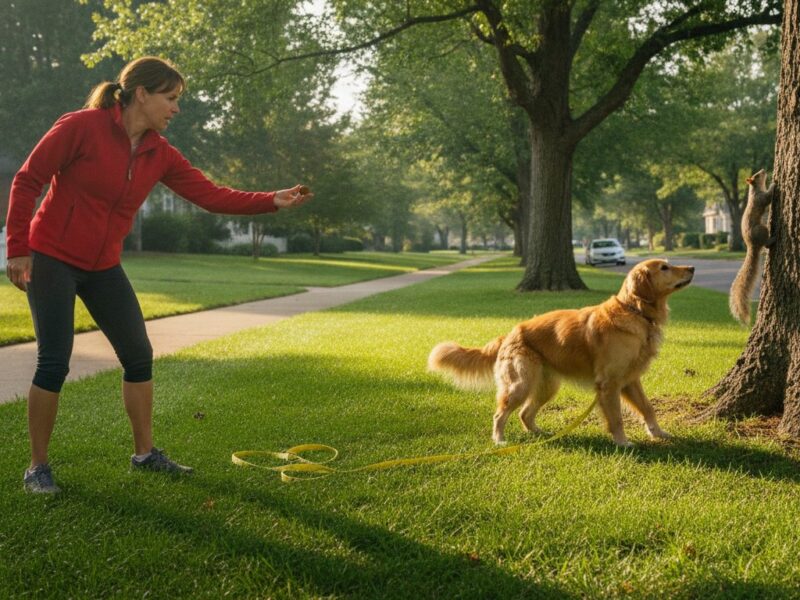
A pocket full of treats isn’t a safety net when your dog spots a squirrel across a busy street. You’ve spent months rewarding every “sit” with a snack, yet your dog still ignores you the moment life gets exciting. It’s embarrassing in public and terrifying when they bolt toward traffic. This is exactly why positive reinforcement only training can fail in the real world. Rewards are essential, but they’re only half the story. Without clear boundaries, your training is just a suggestion, not a definitive agreement.
You want the freedom to take your dog anywhere with total confidence. We’re going to show you how a balanced, structured approach delivers the off-leash reliability you’ve been missing. You’ll discover why “purely positive” methods often hit a wall and how to replace your frustration with a sense of mastery. It’s time to move past the plateau and build a relationship where your dog listens the first time, every time. Let’s transform your daily walks and unlock the adventurous life you and your dog deserve together.
Key Takeaways
- Learn how to use rewards effectively for new skills while understanding when treats lose their power in public.
- Discover the “Distraction Ceiling” and why biological drives like prey drive often override even the best snacks.
- Understand why positive reinforcement only training can fail when your dog faces high-stimulation environments without clear boundaries.
- Compare training timelines to see how a balanced approach delivers faster results and total off-leash reliability.
- Explore how professional tools like the Remote Training Collar create a “tap on the shoulder” for clear communication anywhere.
What is Positive Reinforcement Only Training and Where Does it Start?
Positive reinforcement is the “Yes!” of dog training. It’s the treat, the praise, or the belly rub that says, “Do that again.” In technical terms, it’s the addition of a reward to increase the frequency of a behavior. We love this tool. It builds trust, sparks engagement, and is the gold standard for starting Positive Reinforcement Only Training for puppies or teaching brand new skills. When you’re shaping a fresh behavior, you want your dog to feel successful and excited.
By 2026, you’ll see “Force-Free” everywhere. It’s a primary marketing term designed to sound gentle and approachable. The philosophy is simple: reward the good and ignore the bad. While this sounds compassionate, it often leaves owners feeling helpless when the dog decides the environment is more interesting than the treat. This disconnect is a major reason why positive reinforcement only training can fail the moment you step off your porch. You aren’t just training in a vacuum; you’re training in a world full of squirrels, cars, and other dogs.
The Science of Operant Conditioning
Learning isn’t a one-way street. Operant conditioning actually relies on four quadrants: positive reinforcement, negative reinforcement, positive punishment, and negative punishment. When a trainer commits to a “positive only” approach, they intentionally remove 75% of the learning toolkit. This creates a massive communication gap. If your dog is chasing a cat, that action is self-rewarding. Simply ignoring the behavior does nothing to stop it because the dog is already getting exactly what he wants from the excitement of the chase.
The Honeymoon Phase: Why It Works at First
Treat-based training is a powerhouse in a quiet living room. With high-value rewards like chicken or cheese, your dog will look like a genius. This is the honeymoon phase where engagement is high and distractions are low. It feels like you’ve cracked the code. However, this success is often a mirage. You’re building a foundation on a bribe rather than a command. As soon as the environment becomes complex, you’ll start to see why positive reinforcement only training can fail. The transition from the kitchen to the park is where most owners hit a wall. You need a system that works when the treats aren’t enough.
Structure isn’t about being mean. It’s about being clear. True reliability comes from a complete conversation, not just the parts that feel easy. You deserve a dog that listens because they understand the rules, not just because they’re hungry.
The Distraction Ceiling: Why Treats Fail in the Real World
Imagine you’re at the park. Your dog is staring at a squirrel. You hold out a piece of cheese, but he doesn’t even blink. This is the Distraction Ceiling. It’s the exact moment where an external stimulus becomes more valuable than any treat you have in your pocket. This biological reality is the primary reason why positive reinforcement only training can fail when you need it most. Biological drives like prey drive or social reactivity are powerful forces. They release adrenaline that completely overrides hunger or food motivation. You can’t compete with nature using only a snack.
Many owners fall into the “No-Treat, No-Listen” syndrome. If your dog only performs when he sees a bribe, you don’t have an obedient dog; you have a business partner who only works for a paycheck. This creates dangerous situational obedience. He might listen in the kitchen, but he won’t listen when he’s bolting toward a busy intersection. For true safety, you need a reliable training program that works regardless of what’s happening around you. True freedom comes from a dog that listens because a command is a definitive agreement, not a suggestion based on the menu.
The Economy of Rewards
Dogs perform a subconscious cost-benefit analysis in every single situation. A piece of kibble simply cannot compete with the high-octane rush of chasing a neighbor’s cat. Owners often try to win this “arms race” by carrying higher-value treats like steak or hot dogs. However, you can’t always have a gourmet meal in your pocket. Relying on food value alone is a losing strategy because there will always be a distraction more exciting than your snack. This is a core part of the Balanced Training vs. Positive-Only: A Practical Comparison that owners must understand to achieve real-world results.
High-Arousal States and Cognitive Shutdown
When a dog enters a state of high arousal, their brain physically changes. Their heart rate spikes. Their focus narrows to a single point. In this state, they often stop processing reward signals entirely. They aren’t being stubborn or choosing to ignore you. In that moment, they literally can’t hear your verbal commands. This is the difference between a dog that won’t listen and one that physically can’t. To get their attention back, you need a form of physical communication that can break the seal of their intense focus. Without a way to interrupt that high-arousal state, why positive reinforcement only training can fail becomes a matter of biological physics. You need a tool that acts as a tap on the shoulder to bring their brain back to you.

The Missing Piece: Why Clear Boundaries Create Confidence
Boundaries aren’t a cage. They’re a map. Many owners hesitate to set firm rules because they fear it will damage their bond or dampen their dog’s spirit. This is a dangerous myth. In reality, a lack of clear boundaries is exactly why positive reinforcement only training can fail to produce a confident, relaxed pet. When a dog never hears a definitive “No,” they live in a state of perpetual guesswork. Ambiguity breeds anxiety. Without a clear signal of what is off-limits, your dog is forced to constantly test the environment to find where the edges are.
Think of it like driving in a city with no traffic lights or lane markers. It wouldn’t be “freeing”; it would be terrifying. Your dog feels the same way when they don’t understand the rules of the road. Professional behaviorists have highlighted the challenges of positive-only training when it comes to providing this essential clarity. Balanced training provides the full picture. It gives your dog the confidence to navigate the world because they know exactly what is expected of them in every situation. This clarity creates the liberation through structure that we promise. A well-behaved dog isn’t restricted; they’re invited. They get to go to the brewery, the hiking trail, and the family reunion because they are a joy to be around.
Structure vs. Strictness
Structure is not about being harsh. It’s about being consistent. Rules shouldn’t change based on your mood or the day of the week. If jumping on guests is a “No” on Monday, it must be a “No” on Saturday. This predictability is the greatest gift you can give your dog. When the boundaries are steady, your dog’s stress levels drop. They don’t have to worry about making a mistake because the path to success is clearly marked. This is how you build a bond of true trust. Your dog knows you are a capable leader who provides safety through clear communication.
The Role of Consequences in Learning
A consequence is simply a piece of information. It isn’t a punishment delivered in anger; it’s the “other half” of the conversation. If you only use rewards, you are only telling your dog half of the story. A fair correction tells the dog, “That choice doesn’t work; try this instead.” This complete feedback loop is vital for real-world reliability. Dogs that understand boundaries are actually more relaxed than those that don’t. They aren’t constantly scanning for what they can get away with. Instead, they can settle into their role as a companion, knowing that you have the situation under control. Stop the guesswork and start providing the structure your dog craves.
Balanced Training vs. Positive-Only: A Practical Comparison
Total Reliability is the only metric that matters. You shouldn’t have to wonder if your dog will listen today. You need to know they will. This framework is the ultimate test of any methodology. When we compare balanced training to other styles, we look at the Off-Leash Test. Can you drop the leash in a crowded park and maintain perfect control? If the answer is “only if I have chicken,” your training lacks real-world reliability. This is exactly why positive reinforcement only training can fail during the moments that count the most. It relies on a dog’s desire rather than their discipline.
Consider the timeline of your progress. Many owners using purely positive methods see great results early on, but then they hit a plateau that lasts for years. They find themselves stuck in a cycle of constant management. Balanced training moves you through the learning phases faster by providing a complete communication system. You stop bribing and start commanding. A bribe is a negotiation where the dog decides if the reward is worth the effort. A command is a definitive agreement that ensures safety and focus regardless of the environment. This shift replaces your frustration with a sense of pride and empowerment.
Reliability in High-Distraction Environments
Imagine your dog spots a cat and bolts toward a busy street. In this split second, a “come” command isn’t just a trick; it’s a life-saving safety net. If your dog has only been trained with rewards, they may decide the chase is more valuable than the treat. Balanced training is the gold standard for dog obedience training because it addresses these high-stakes scenarios. It ensures you have a way to interrupt dangerous behavior and redirect your dog’s attention back to you instantly. You deserve the peace of mind that comes with knowing your dog is safe in any situation.
Long-Term Retention and Generalization
True mastery means your dog generalizes their skills to every new location. They should listen at the vet, the beach, or the front door just as well as they do in your living room. Balanced training excels here because it establishes rules that don’t fluctuate based on the scenery. Once the foundation is set, you move into the maintenance phase. This is where the hard work pays off and you no longer need to micromanage every movement. True mastery is when the dog listens because they understand the command, not because they expect a snack. This level of focus allows you to live a more adventurous and joyful life together. Ready to achieve this level of control? Find a location near you and get started today.
Achieving Total Reliability with Sit Means Sit
You’ve seen why positive reinforcement only training can fail when real-world distractions take over. It’s time for a system that works everywhere, not just in your kitchen. Sit Means Sit specializes in attention-based training designed for the modern world. This isn’t about control through fear or intimidation. It’s about creating a clear, unbreakable line of communication that cuts through the noise of a busy park or a crowded street. We aim to replace your daily stress with a sense of absolute empowerment. When you give a command, it becomes a definitive agreement between you and your dog.
For many owners, the fastest path to this transformation is through our immersive Board and Train programs. Your dog stays with our professional experts to learn the foundations of focus and reliability in high-stimulation environments. We do the heavy lifting, installing the structure your dog needs to thrive. This immersive approach ensures that your dog returns home with a new level of mastery, ready to handle any adventure you have planned. We don’t just teach tricks; we build a lifestyle of freedom and joy.
The Remote Training Collar: A Tool for Communication
Let’s demystify the technology behind our success. The Remote Training Collar is not a tool of punishment. Think of it as a digital “tap on the shoulder” that works at a distance. It allows for whisper-level communication even when your dog is fifty yards away. When your dog’s instincts tell them to bolt after a squirrel, this gentle signal reminds them to check back in with you. It bridges the communication gap that treats simply can’t cross. This tool is the key to transitioning from a leash-dependent pet to a dog with total off-leash independence. Your dog stays happy and confident because they always know exactly what you expect.
Your Path to a Better Life Together
Close your eyes and imagine your next walk. There is no leash-pulling. There is no lunging at other dogs. There is no frantic barking. Instead, your dog walks calmly by your side, focused and relaxed. This level of reliability starts early. Our puppy training classes build this essential foundation from day one, preventing the “bribe-based” habits that lead to frustration later in life. We help you set the rules early so you can enjoy more freedom sooner.
You deserve a dog that listens the first time, every time. Stop settling for “sometimes” obedience and start demanding real-world results. Liberation through structure is not just a slogan; it’s our promise to you. Replace your frustration with a sense of pride that comes from having a perfectly behaved companion. Contact Sit Means Sit today for a free consultation and take the first step toward the adventurous life you and your dog deserve.
Take Control of Your Dog’s Future Today
You now understand the biological limits of treats and the distraction ceiling that stops progress in high-stakes environments. Real-world reliability requires a complete communication system that bridges the gap between a simple snack and a safety-critical command. This lack of a “safety net” is exactly why positive reinforcement only training can fail when your dog faces intense distractions. You don’t have to settle for situational obedience or the constant fear that your dog won’t listen when it matters most.
Sit Means Sit brings over 25 years of proven results and a nationwide network of professional trainers to your doorstep. Our specialized Remote Training Collar technology ensures your dog remains focused and responsive; providing the off-leash control you need for a joyful life. It is time to replace your frustration with a sense of mastery and pride. Stop managing your dog’s behavior and start living a more adventurous life together. Schedule Your Free Dog Training Consultation Today and unlock the freedom you both deserve. We are excited to help you build a bond based on trust, clarity, and absolute confidence.
Common Questions About Real-World Reliability
Is positive reinforcement training effective for aggressive dogs?
Positive reinforcement is an excellent tool for building trust, but it rarely provides the total control needed for serious aggression. Aggressive dogs need to understand that certain behaviors are non-negotiable. This is a primary reason why positive reinforcement only training can fail in high-risk scenarios. Structure creates safety for both the dog and the community. We provide the clear boundaries your dog needs to feel secure and stop making dangerous decisions.
Will balanced training change my dog’s personality or make them afraid of me?
Balanced training actually brings out your dog’s best personality by removing the stress of uncertainty. Fear is the result of confusion, not clear instruction. When your dog understands the rules, they feel more confident and empowered. Our methodology focuses on a “tap on the shoulder” communication style that preserves your bond. You’ll see a happier, more relaxed dog that can finally enjoy more adventures with you.
Why does my dog only listen to me when I’m holding a treat?
Your dog has learned to negotiate rather than follow a command. If the reward isn’t visible, they decide the effort isn’t worth it. This “bribe-based” cycle is a common reason why positive reinforcement only training can fail in the real world. True obedience happens when a command is a definitive agreement. We transition your dog from working for snacks to listening because they understand and respect the boundaries you’ve set.
What is the difference between a correction and punishment in dog training?
A correction is a clear piece of information that redirects your dog’s attention back to the goal. Punishment is often reactive or emotional; a correction is calm, purposeful, and fair. It completes the conversation by telling the dog what not to do. This clarity helps your dog learn faster and feel more secure. Think of it as a helpful guide that keeps them on the right path toward total off-leash freedom.
Can an older dog benefit from a balanced training approach if they’ve only done positive-only before?
Absolutely, dogs of any age thrive when they finally understand the rules. Older dogs often settle into a more relaxed state once the guesswork is removed from their daily life. Whether you choose a Board and Train or Private Lessons, we adapt our methodology to your dog’s specific history. Providing clear boundaries now will only strengthen the bond you’ve built over the years. Structure is a gift at any age.
How long does it take to see results with a balanced training program?
You will often see a transformation in engagement during your very first session. While total reliability requires steady practice, our balanced approach delivers results much faster than purely reward-based methods. We focus on clear communication that your dog understands instantly. Whether you’re in a Group Class or a Board and Train, the shift from confusion to mastery happens quickly. You’ll feel a sense of pride and empowerment almost immediately.
Is the remote training collar safe for all dog breeds and sizes?
Our Remote Training Collar technology is safe and effective for every breed and size. It features highly adjustable settings that allow us to find the perfect “whisper-level” signal for your specific dog. This tool is about capturing attention, not delivering pain. From tiny puppies in Puppy Preschool to large adult dogs, the goal remains the same: clear communication. It’s a professional tool that ensures your dog’s well-being while achieving total off-leash control.
Do I have to use the remote collar forever, or can my dog eventually go without it?
The collar is a communication tool used to build a foundation of mastery. Once your dog internalizes the rules and listens the first time, every time, you’ll find you need it less and less. Think of it like a seatbelt; you use it for safety and peace of mind during high-distraction adventures. Our goal is to give you the confidence to enjoy off-leash freedom. Eventually, the command itself becomes the definitive agreement your dog follows.
Comments are closed.